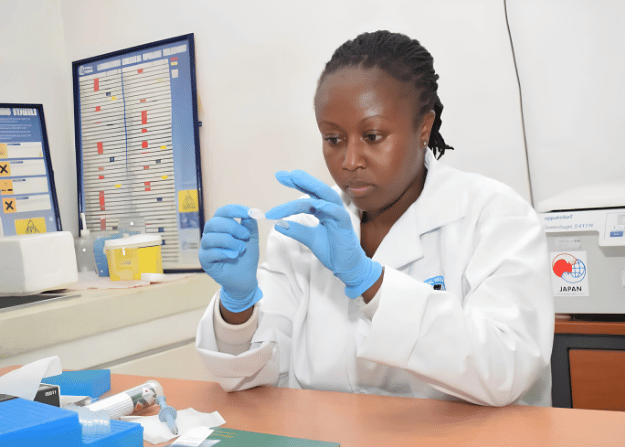

Under the government framework, a standard DNA tests at accredited public institutions costs between Ksh 20,000 and Ksh 27,000, depending on the facility and the required legal documentation.
Citizens across major urban centers and regional hubs can access these services at government referral facilities without commercial surcharges.
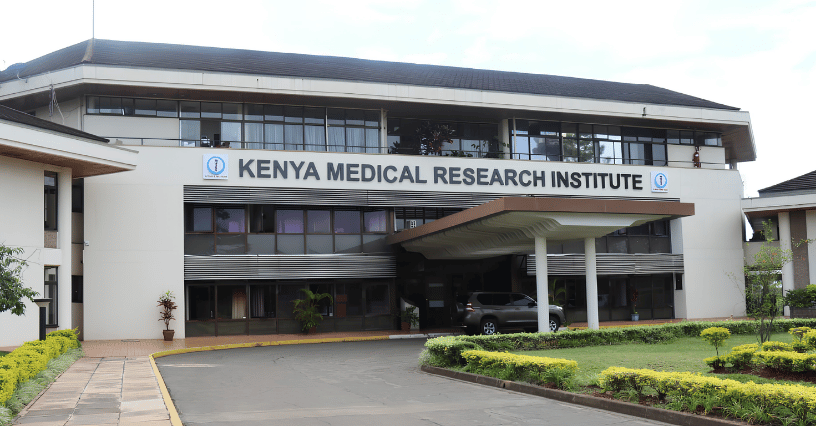
In Nairobi, citizens can access DNA tests at Kenyatta National Hospital (KNH) for Ksh 20,000 to Ksh 30,000, while the Kenya Medical Research Institute (KEMRI) charges Ksh 27,000 for standard paternity profiling.
In Mombasa, Coast General Teaching and Referral Hospital provides basic sample collection and government-linked testing starting from Ksh 20,000 for standard paternity cases.
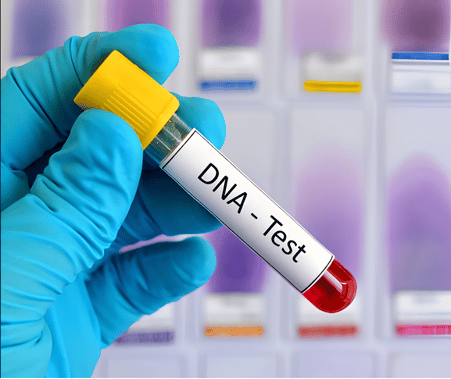
In Kisumu and Eldoret, residents seeking paternity testing can access services through Jaramogi Oginga Odinga Teaching and Referral Hospital (JOOTRH) and Moi Teaching and Referral Hospital (MTRH), where standard public rates average Ksh 20,000 to Ksh 25,000 per sample set.
Across other counties, court-ordered DNA tests routed through regional Government Chemist branches in Nakuru, Nyeri, and Kakamega follow standard government fee schedules.
Also Read
How to Apply for 41 IPOA Jobs Open Ahead of November Deadline
Oga Obinna Job Site Sparks Outrage Over Ksh 99 Registration Fee
EPRA Raises Petrol Prices by Ksh12.93, Diesel by Ksh9.90 and Kerosene by Ksh28.49.
Why Public Hospitals Offer Reliable, Subsidized DNA Tests Across Kenya
In accordance with the Health Act and statutory laboratory regulations, public medical facilities conduct all tests under accredited ISO standards.
All local DNA services factor in mandatory chain-of-custody protocols for legal cases, identity verification via National ID cards or birth notifications for minors, and strict data privacy protections guaranteed under the Data Protection Act.
Looking ahead, healthcare administrators plan to decentralize DNA sample collection points further across all 47 counties to reduce transit costs for rural families.
The local processing capabilities built at state institutions like KEMRI and KNH have played a major role in keeping prices predictable across the country.
Because sample analysis is conducted using in-house molecular genetics laboratories rather than sending swabs to foreign reference labs, public institutions bypass high international freight charges and foreign currency conversion spikes that affect private clinics.
For now, the availability of Ksh 20,000 public DNA tests offers citizens across Kenya a reliable, certified pathway to resolve paternity and lineage questions with complete confidence.