
Parents who fail to enroll their children in school or ensure their regular attendance face fines of up to Ksh 100,000, imprisonment for up to two years, or both under statutory proposals contained in the New Basic Education Bill 2026.
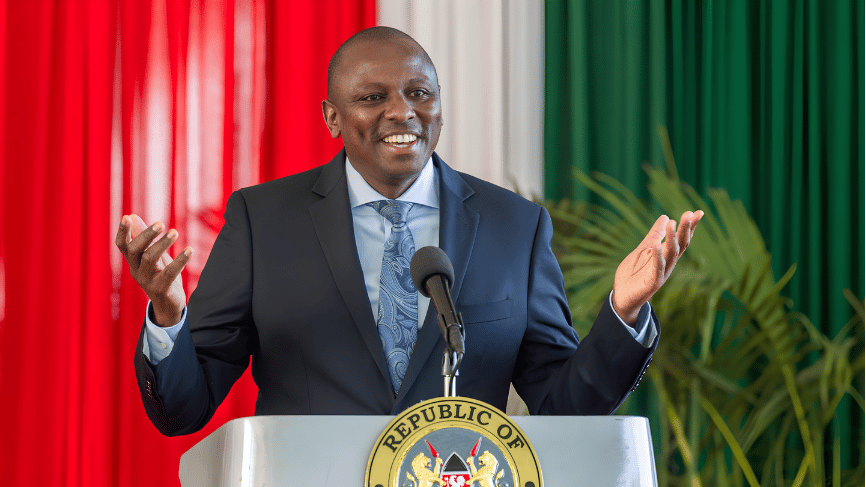
The legislative proposal, sponsored by National Assembly Majority Leader Kimani Ichung’wah, introduces legal measures aimed at enforcing compulsory basic education across all 47 counties in line with Article 53(1)(b) of the Constitution.
During public participation hearings conducted by Parliament’s Departmental Committee on Education, lawmakers engaged civil society, parents, and teacher unions on the bill’s penal clauses and governance structures.
“Every child has the right to free and compulsory basic education, and parents bear a primary duty to ensure their children access learning,” the bill states, highlighting strict penalties for absenteeism and non-enrollment.
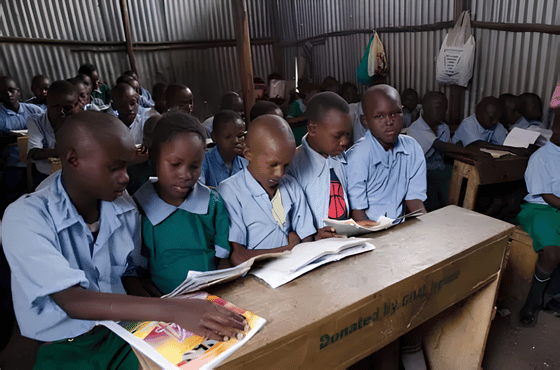
Key Fines and Penalties Outlined in the New Basic Education Bill 2026
Under the proposed New Basic Education Bill 2026, parents or guardians who fail to register school-age children face a maximum fine of Ksh 100,000, a jail term of up to two years, or both.
Additionally, failing to ensure regular attendance after enrollment carries a fine of up to Ksh 100,000 or a one-year prison term.
Also Read
Alarm Raised Over 3.9 million Child Marriage Cases Recorded, 3 counties Leading in Kenya
The bill also imposes heavy sanctions on school administrators who breach free tuition guidelines. Public school heads who collect illegal tuition fees or unauthorized levies face fines of up to Ksh 1,000,000, imprisonment for up to three years, or both.
The proposed law bars public schools from administering entry exams or interviews to determine admission, while forbidding institutions from denying admission to learners due to missing birth certificates or proof of age.
In addition to financial penalties, the New Basic Education Bill 2026 reinforces the absolute ban on corporal punishment and physical abuse in basic education institutions and requires school management boards to establish administrative mechanisms for handling student discipline.
Public participation debates revealed a split among stakeholders, with the Kenya National Union of Teachers (KNUT) supporting the ongoing public engagement while the Kenya Union of Post Primary Education Teachers (KUPPET) called for delays to allow further policy review.
Civil society groups and child rights advocates raised concerns regarding the enforceability of parental fines, cautioning that penalizing low-income families in drought-stricken or marginalized regions could exacerbate socio-economic distress rather than increase enrollment.
Parliamentary committees are continuing regional public hearings and analyzing written submissions before submitting the final report to the floor of the House for second reading and clause-by-clause scrutiny.