
The Ministry of Health (MOH) has urged public vigilance and heightened screening for Ebola symptoms following the confirmation of Kenya’s first imported Ebola case and subsequent fatality in Nairobi.
The Ministry of Health has officially confirmed Kenya’s first imported case of Ebola, involving a 38-year-old Kenyan citizen who recently traveled back from the Democratic Republic of Congo (DRC) via Uganda.
Health Cabinet Secretary Aden Duale confirmed that the patient succumbed to the viral infection on Monday night while undergoing isolation and treatment at Nairobi Hospital.
Addressing the nation at Afya House on Tuesday, October 6, 2026, the Health CS assured the public that contact tracing protocols and isolation measures have been activated to prevent any community transmission.
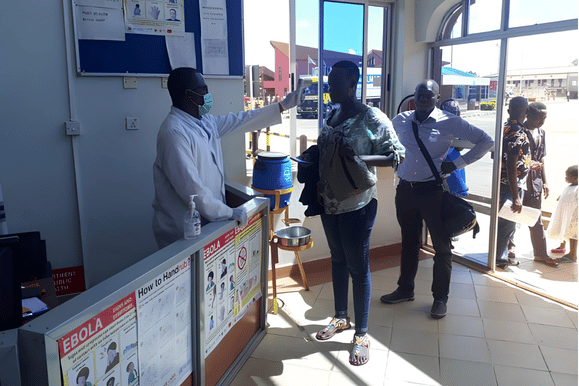
“Arrangements for a safe and dignified burial of the deceased are ongoing in line with strict public health protocols,” stated CS Duale, noting that health authorities have already identified 28 primary contacts for 21-day quarantine and monitoring.
Key Ebola Symptoms and Signs to Watch Out For
According to public health guidelines released by the Ministry of Health and the World Health Organization (WHO), the initial Ebola symptoms and signs often resemble severe viral flu before progressing rapidly.
Also Read
How to Know the Real Number of Members Edwin Sifuna’s TEP Party Has Registered
The Untold Story of Oburu Odinga Beyond the Odinga Dynasty’s Shadow
How TSC Teachers Earn Pension after Just 10 Years of Working
Here are the Ebola symptoms and signs to watch out for:
- High Fever & Sudden Chills: A sudden onset of severe body fever accompanied by uncontrollable shivering.
- Severe Headache & Joint Pain: Intense head pain, body aches, muscle weakness, and joint discomfort.
- Extreme Fatigue: Severe unexplained physical exhaustion and weakness.
- Gastrointestinal Distress: Persistent sore throat, difficulty swallowing, severe abdominal pain, nausea, vomiting, and diarrhea.
- Unexplained Bleeding: Unexplained bruising under the skin, bleeding from the nose, mouth, eyes, or gums, and blood present in stool or vomit during severe stages.
The Ministry of Health has advised anyone exhibiting these Ebola symptoms, particularly individuals with a history of travel or contact with travelers from affected border regions, to isolate and call the national health hotline or report to the nearest health facility.
Members of the public are reminded to maintain personal hygiene, utilize alcohol-based hand sanitizers, and avoid direct physical contact with bodily fluids or individuals showing signs of unexplained fever.
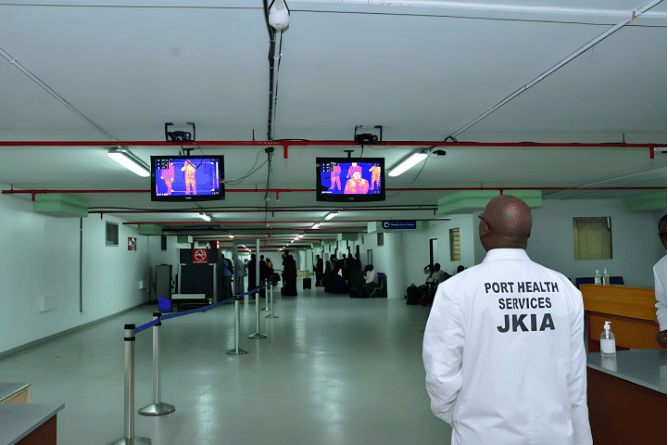
Health CS Aden Duale said that Kenya’s rapid response teams remain fully deployed at all major ports of entry, including Jomo Kenyatta International Airport (JKIA) and border posts, to monitor and contain the situation.