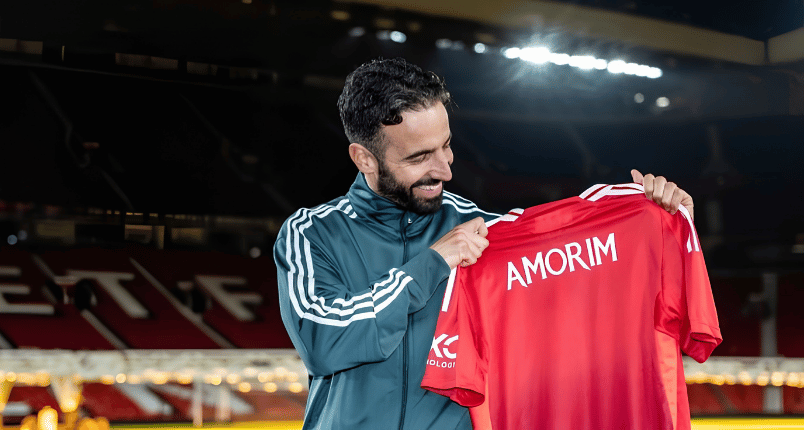
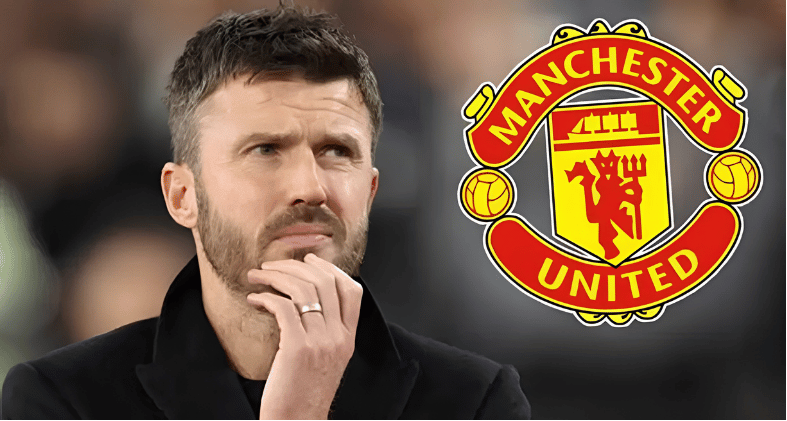

When Rúben Amorim was shown the exit door at Manchester United in January 2026 following a turbulent 1-1 draw at Elland Road, the narrative seemed straightforward: fix the manager, fix Manchester United.
However, nine months after Michael Carrick’s initial high-flying arrival, marked by a thrilling top-four surge, the Red Devils find themselves right back where the nightmare started.
Manchester United’s 1-1 draw away at Leeds United on Sunday, October 18, 2026, served as a grim reminder that changing the man on the touchline has done little to cure the underlying rot inside the club.
With just two wins from their opening 10 matches across all competitions and 7 points from 7 Premier League games, growing sections of the Old Trafford faithful are already asking if Carrick is living on borrowed time.
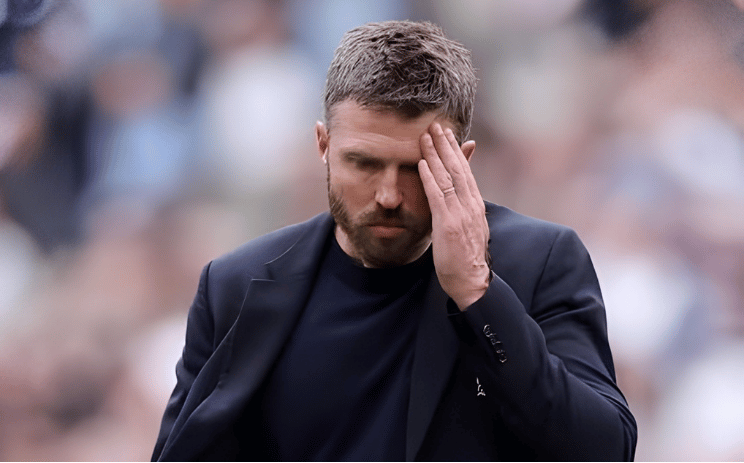
When Amorim was dismissed, critics pointed directly to dressing room leaks, tactical rigidity, and public fallouts with high-profile stars.
Carrick’s initial “Carrick Ball” honeymoon brought rapid joy, beating Manchester City and Arsenal on the way to securing UEFA Champions League football last season.
Also Read
Why Natembeya and Ruto Are Fighting Over Ksh 874 million Masinde Muliro Market
Explained: Why Raila Odinga’s Candle Lighting Ceremony Took Place on October 2 and Not 15
Kenya Power Put on Spot Over Prolonged Power Blackouts in Matungu
Yet, as United currently sit in 13th place in the Champions League group standings following a 2-0 defeat to Atlético Madrid, those early tactical improvements have completely dried up.
The stark reality confronting INEOS leadership is that United’s defensive vulnerability, slow buildup play, and lack of firepower remain identical across both managerial eras.
Jamie Carragher and Gary Neville Weigh in on Manchester United’s Michael Carrick Downfall
Football analysts argue that repeatedly swapping managers without dismantling deeper squad imbalances leaves every head coach vulnerable to the same cycle of collapse.
“They’re on big wages, and you can’t move them on, no one will take them. It’s a vicious circle that they’re in. Eventually, it gets to a stage where you can’t be the biggest spender. It looks like a toxic situation, and you have to question if Carrick can actually fix it.” Jamie Carragher Speaking on Sky Sports.
“Manchester United need some stability. They’ve not had that for the last few years. If you don’t address the underlying squad imbalances and the liability of conceding goals, it’s going to haunt every manager down the road, no matter who sits in the dugout.” Former Manchester United captain and Sky Sports pundit Gary Neville.
Dressing room morale and on-pitch body language during recent draws against Fulham, Tottenham, and Leeds suggest that the squad’s mental fragility stretches far beyond who sits in the dugout.
Despite mounting fan frustration on social media, internal reports indicate the United board still backs Carrick to navigate this storm, recognizing that knee-jerk dismissals will not fix structural shortcomings.
The wave of discontent is hitting hard across East Africa, where millions of die-hard supporters gather weekly in sports lounges and local viewing bases.
For Kenyan Manchester United fans like Kevin Masagara, the current crisis feels like a frustrating replay of the post-Ferguson era.
“We were promised a new dawn under Carrick Ball after beating City and Arsenal last season, but now we’re right back to struggling against Leeds and failing in Europe,” Masagara noted during a fan discussion in Nairobi. “It makes you wonder if firing Amorim actually solved anything, or if our core squad simply lacks the fight needed at this level.
With high-stakes fixtures against Como 1907 in Europe and AFC Bournemouth in the league approaching, Carrick has little room left for error.
Whether INEOS sticks with Carrick or considers another managerial change, one truth remains clear: Was Rúben Amorim the root cause of Manchester United’s downfall or was he simply another victim of it?