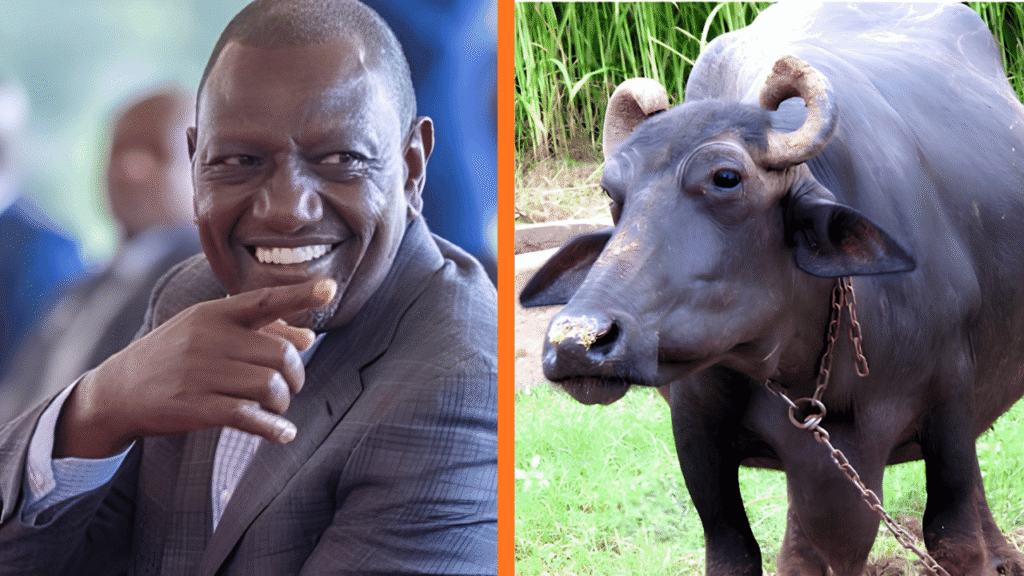

President William Ruto proposed importing high-yielding dairy cattle, India’s water buffaloes, and improved camel breeds to diversify Kenya’s dairy sector and ease the country’s high milk prices.
Speaking during the Agriculture and Food Systems Transformation Summit at Jamhuri Park in Nairobi, the Head of State directed the State Department for Livestock Development to initiate plans for importing specialized Indian water buffaloes.
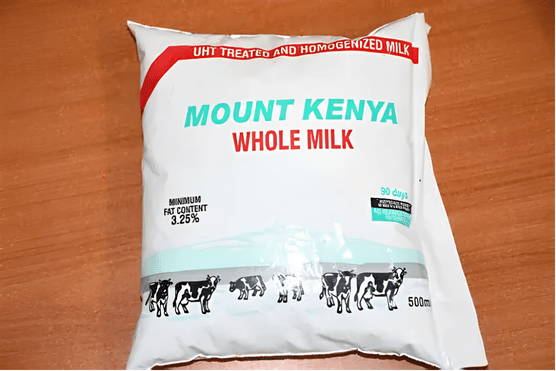
The policy shift comes amid persistent milk shortages across urban centers, which have triggered price hikes for processed milk, butter, and related dairy products nationwide.
Under the Bottom-Up Economic Transformation Agenda (BETA), the Ministry of Agriculture is seeking ways to lower retail food prices by introducing resilient livestock breeds.
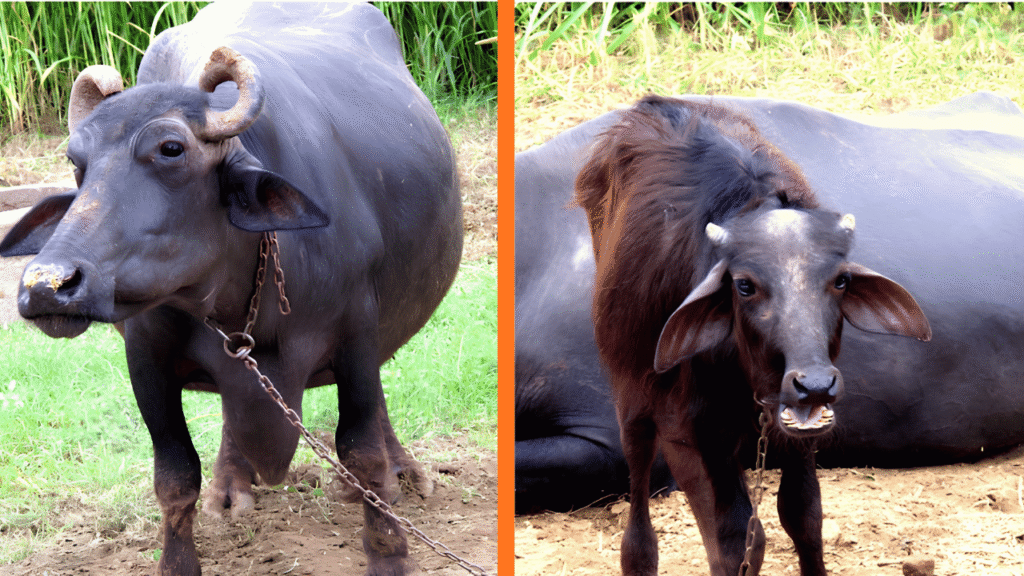
To understand India’s success in controlling milk prices, sector experts point to water buffaloes, which supply over 40% of India’s total milk production.
While Kenyan smallholders rely almost exclusively on cattle, dairy buffaloes like the Murrah and Nili-Ravi yield up to 1,950 to 4,000 kilograms of milk per cycle with higher fat content.
Also Read
Why Natembeya and Ruto Are Fighting Over Ksh 874 million Masinde Muliro Market
Oburu Odinga Death Rumors: Geoffrey Mosiria Speaks Out
Explained: Why Raila Odinga’s Candle Lighting Ceremony Took Place on October 2 and Not 15
How India’s Water Buffaloes Secret Could Lower Kenya’s High Milk Prices
The first step in implementing the proposal involves state agencies sourcing superior genetic material and live breeding stock directly from international partners.
Addressing delegates in Nairobi, President Ruto highlighted the need to rethink traditional livestock strategies to achieve national milk self-sufficiency.
“I had directed the Agriculture PS to help us bring in a better breed of camel and bring another buffalo breed,” President Ruto stated. “Buffaloes also produce a lot of milk, and in India, there are buffaloes. So PS Mueke, do as we had agreed. Bring in buffalo and also bring in a better breed of camel because we need to diversify our milk sources.”
“I hear buffaloes also produce a lot of milk,” Ruto added. “If others are milking them, why can’t we do the same? What is wrong with that? We need to diversify our sources of milk.”
By introducing water buffaloes, which demonstrate higher resistance to tropical tick-borne diseases like East Coast Fever, farmers could significantly reduce veterinary expenses.
Until breeding protocols and research trials by KALRO and local universities are completed, milk processors will continue sourcing supply through traditional dairy cooperative networks.
Agricultural researchers are set to establish demonstration centers to guide smallholder farmers on management protocols for Asian dairy buffaloes before wider national distribution.