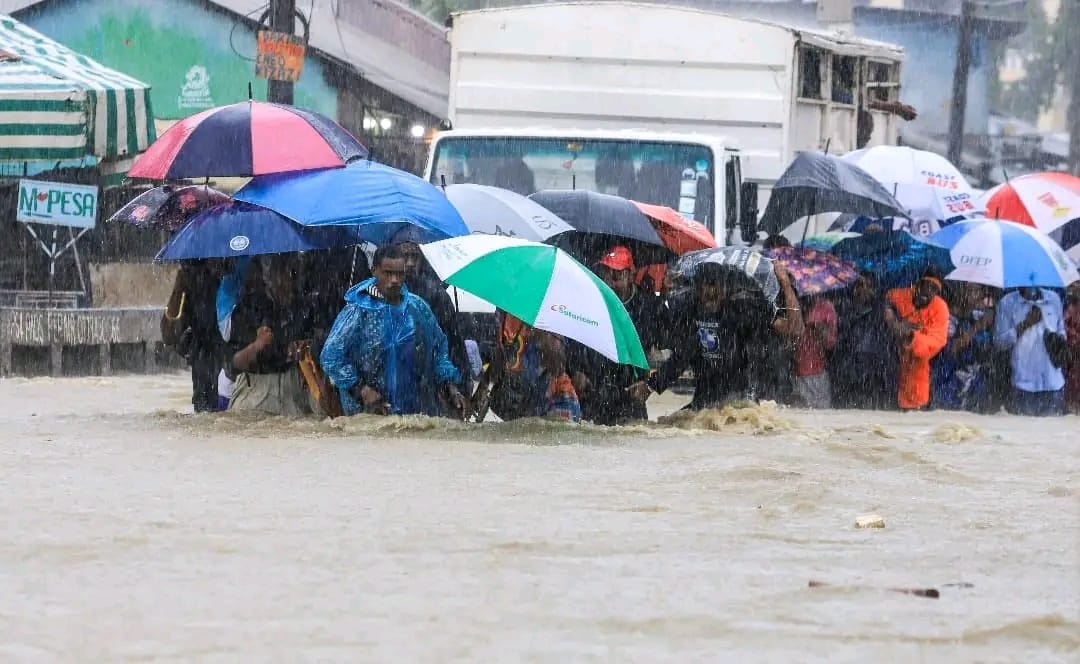
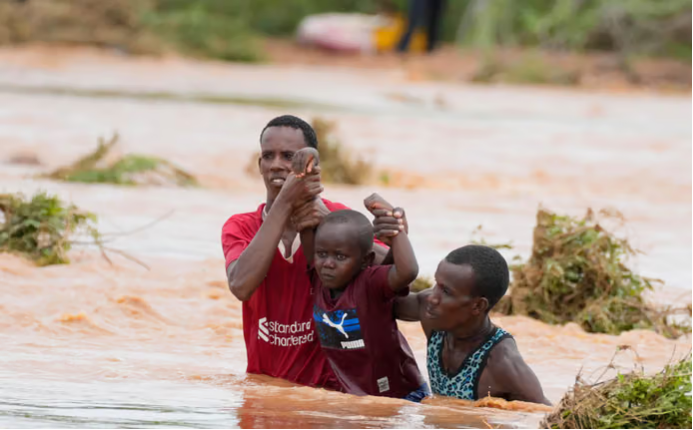

The government has warned communities in Western and Nyanza regions to prepare for the anticipated October to December El Niño rains, with some counties in the region expected to experience an early onset of the rainfall season.
In a press release issued on Tuesday, September 1, 2026, the Ministry of Interior and National Administration said the rains are expected to bring above-normal rainfall across most parts of the country. The government said it is implementing a National Contingency Plan to strengthen preparedness and response and minimise the potential impacts.
“The anticipated impacts include flooding, drowning, injuries and fatalities, displacement and isolation of communities, disease outbreaks, disruption of essential services, damage to roads and other critical infrastructure, and losses to crops, livestock and livelihoods.”
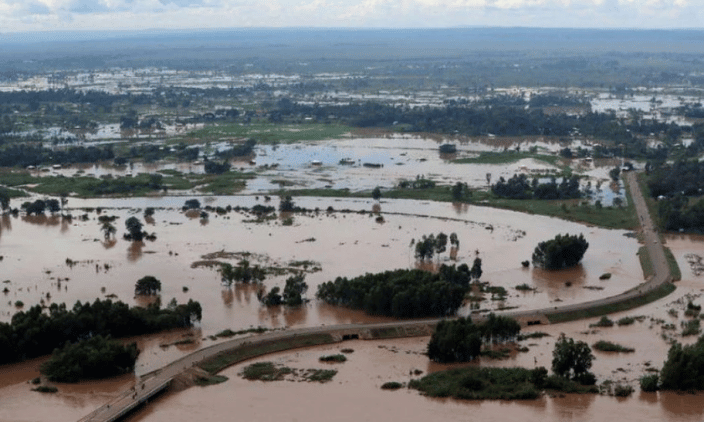
The mapped priority areas include riverine and low-lying areas, highland and landslide-prone areas, and urban centres vulnerable to flooding. The government has also identified roads and transport infrastructure likely to be affected across Western, Nyanza and other regions.
Authorities are already working to improve drainage and reduce the risk of urban flooding. The government said drainage systems, culverts and other water channels are being unclogged and desilted, while identified choke points are being cleared with relevant agencies, including the Kenya Urban Roads Authority (KURA).
Agencies responsible for infrastructure and disaster preparedness are continuing to clear drainage systems and water channels in areas at risk of flooding. Solid waste and garbage management is also being strengthened as part of efforts to prevent blocked drainage from worsening the effects of heavy rainfall.
Residents living on riparian land and in other high-risk areas are being sensitised on the need to evacuate when advised to do so. Temporary holding grounds have been identified to accommodate populations that may be displaced by flooding and other emergencies.
“In this regard, water levels in rivers and other water bodies are being monitored, with particular attention to areas around major dams and communities living along river banks.”
The government is also inspecting bridges, roads and critical utilities in flood-prone areas to identify vulnerabilities and undertake preventive interventions, while community-level early warning systems are being strengthened through Chiefs, Assistant Chiefs and Nyumba Kumi structures.
Emergency relief supplies, including food, non-food items and emergency medical supplies, are being pre-positioned at strategic locations to facilitate rapid response in case of displacement or other emergencies.
Also, the rapid response teams are on standby to undertake search and rescue operations, evacuations and post-disaster assessments when required.