
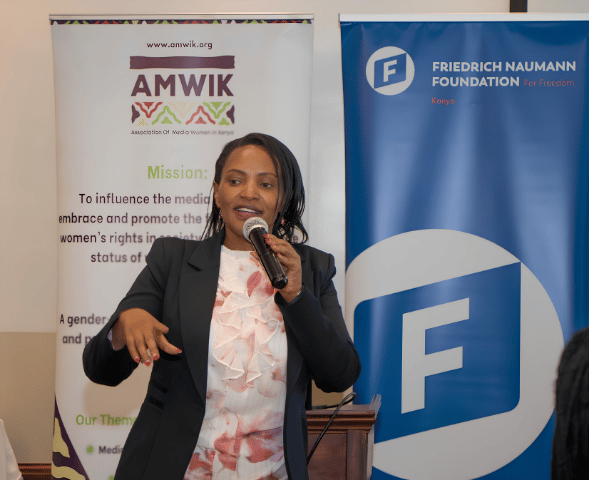

As Kenya prepares for the upcoming 2027 General Election, the Association of Media Women in Kenya (AMWIK) has initiated a nationwide capacity-building program aimed at strengthening media integrity, journalist safety, and ethical reporting across national and county levels.
The specialized workshops, rolled out in partnership with key industry stakeholders, target print, broadcast, and digital journalists to equip them with essential skills in conflict-sensitive reporting and ethical standards during volatile electoral cycles.
With political communication rapidly shifting and digital platforms misinformation, hate speech, and online harassment, AMWIK emphasized the vital role of a responsible press in maintaining democratic stability and social cohesion.
“As Kenya prepares for the 2027 General Election, we are working with our partners to support newsroom preparedness on Conflict-Sensitive and Ethical Reporting across print, broadcast, and digital platforms.” AMWIK formal statement shared on their official X page on Wednesday September 23, 2026
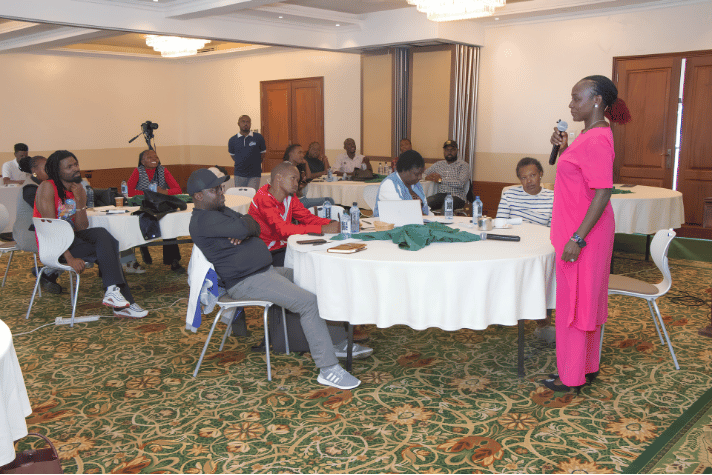
reporting for journalists during a county workshop. Photo | AMWIK on X
AMWIK announced that the comprehensive training strategy focuses on rolling out workshops in counties to ensure journalists operating at both the national level and at the rural grassroots receive equal access to skills enhancement.
AMWIK Focus: How Journalists Get Involved in Election Violence
This training comes at a time when modern digital platforms and social media now allow unverified claims, hate speech, and political disinformation to reach millions across the country.
Historical precedents in Kenya highlight that media workers and media outlets can become an active driver of political conflict rather than neutral watchdogs.
The most prominent evidence of media involvement in election-related violence occurred during the 2007/2008 post-election crisis, where local vernacular radio stations were heavily cited for broadcasting unvetted talk shows, partisan framing, and explicit hate speech that mobilized ethnic groups against one another.
Beyond direct incitement, journalists have historically contributed to conflict escalation through sensationalized reporting, premature or unverified tally announcements, and biased framing of political disputes.
Commercial pressures, low remuneration, and political interference often compel under-trained reporters to abandon ethical standards in favor of divisive clickbait or partisan alignment.
To prevent a repeat of past missteps, AMWIK’s current training framework prioritizes conflict-de-escalation techniques, fact-checking, responsible coverage of sensitive political rallies, and special safety protocols for female journalists who face heightened physical and online threats during campaign seasons.
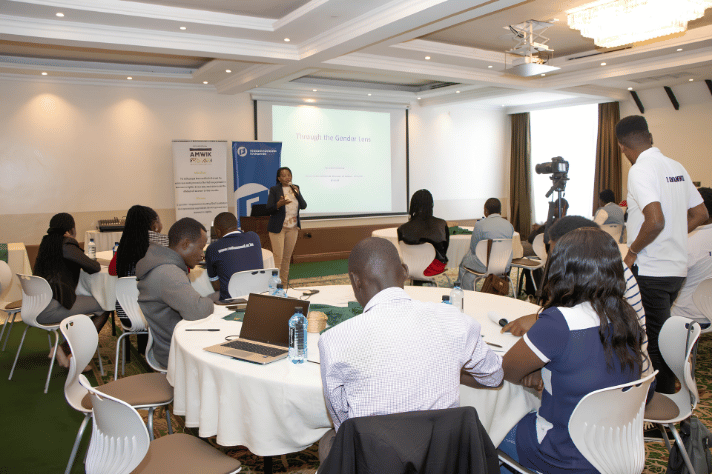
reporting ahead of the 2027 General Election. Photo | AMWIK on X

