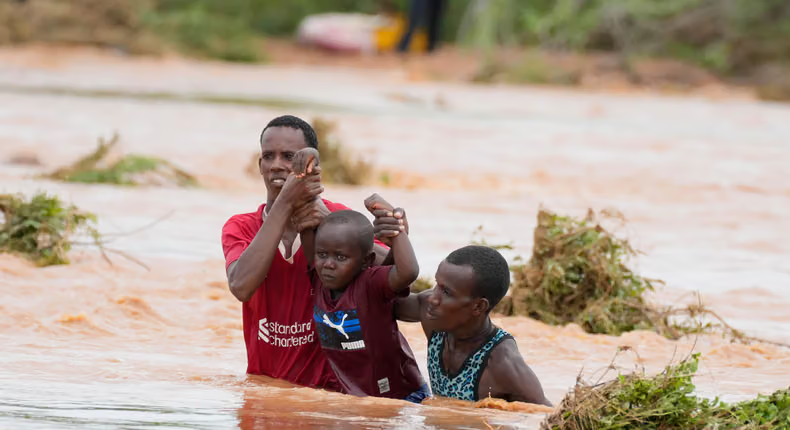
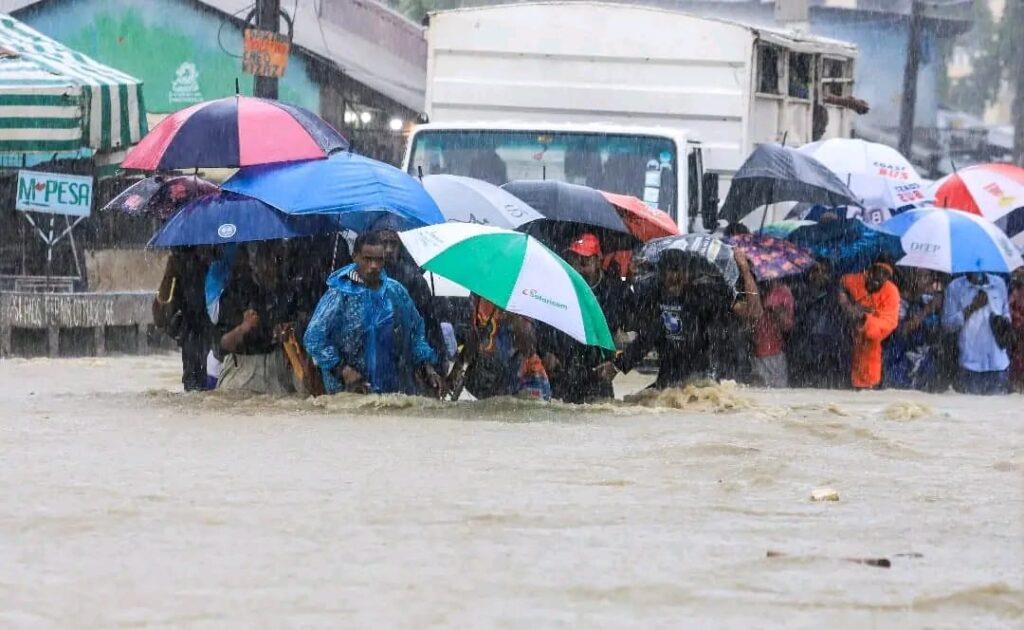

El Niño Rains are expected to hit several parts of the country beginning in early October to December 2026, with the potential of extending to February 2027. The Kenya Meteorological Department has officially warned the nation to be prepared for heavy rain that will hit 46 out of 47 counties across the country.
According to the Kenya Met county-by-county breakdown, the El Niño Rains will manifest in distinct, severe patterns across Kenya.
Western Kenya and the Nyanza Basin are already experiencing El Niño Rains, which will intensify across the months of October and December.
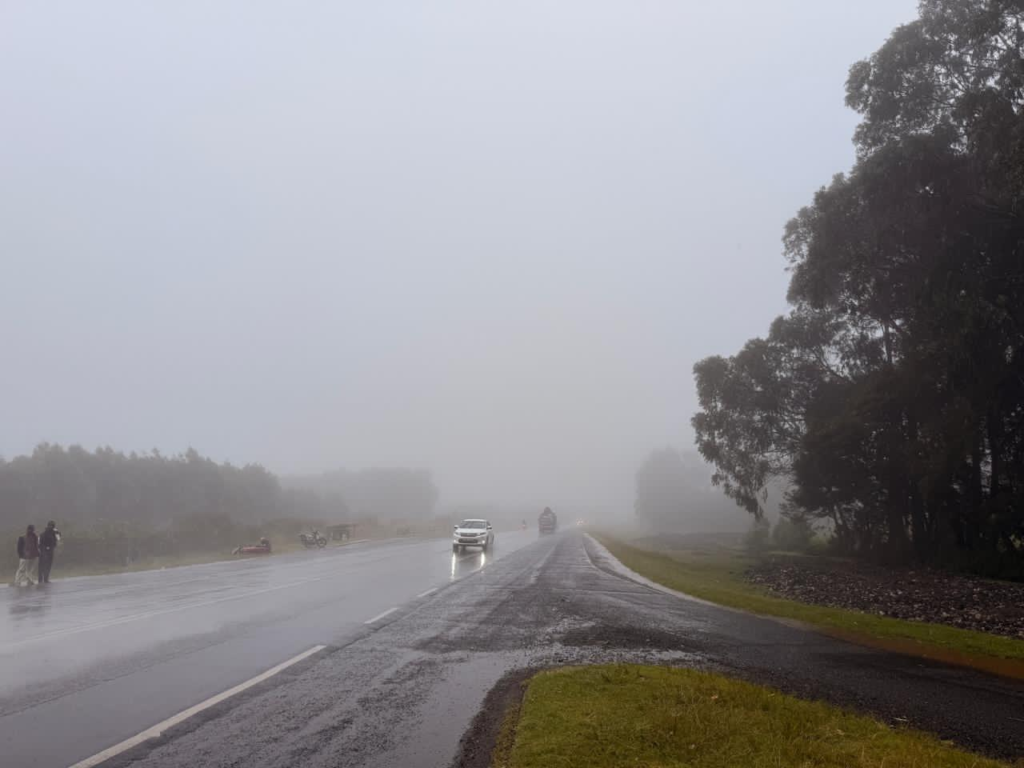
heightening road risks due to reduced visibility and slippery surfaces photo | NTSA x-account
Coastal regions like Mombasa, Kilifi, and Kwale are also reported to experience heavy, consistent morning showers and intense afternoon rains.
In Northeastern Kenya, El Niño Rains are predicted to begin from late September to early October, while the Rift Valley and Central Highlands are predicted to begin raining from early October.
Deputy President Kithure Kindiki met with county governors at his Karen residence on September 2, 2026, where he announced the State’s plans to manage and support citizens in high-risk zones ahead of the impending rains. But do you know how to survive El Niño Rains?
How to Survive the Heavy El Niño Rains in Urban Areas
When heavy rains hit Nairobi, we all know what happens: roads turn into rivers, traffic grinds to a halt, sewers burst, and there are power cuts.
The upcoming El Niño season will stretch the city’s infrastructure to its limit. Here are the ways to keep yourself safe.
When the rain starts, avoid walking or driving through flooded areas. Water may look shallow but can be deeper than it appears, and strong currents can sweep you or your vehicle.
If you are travelling, check the weather and road conditions before leaving. Give yourself extra time and avoid unnecessary trips during very heavy rain. If you get caught in a flood while driving, do not try to cross deep water. Find a safe place and wait for the water to go down.
Most importantly, look out for children, older people, and neighbors who may need help. Keep emergency contacts on your phone and follow updates from official authorities.