
The Architecture of Fear in Nairobi Town
At the heart of Nairobi City, Kenya, is the Central Business District (CBD), a symphony of hyper-acceleration. Matatus blare horns, and the streets are packed with preachers competing with electronic vendors while pedestrians rush to work. But beneath this chaotic energy lies a disturbing silence. Thousands of Kenyans navigating through the CBD or using public transport in Nairobi openly describe this experience as either scary or traumatic.
Recently, viral videos have sparked multiple conversations online, mostly targeting the CBD area. Each post complains about how men around those routes are sexually harassing women, while some are even harassed in public transport by touts, leaving them traumatized. The trauma of these acts is just the first layer. Most women cry out about how embarrassing, scary, and damaging it is to their self-esteem when they try to speak up and defend themselves, only to be hit with laughs from these perpetrators who insult them, leaving the victims completely powerless.
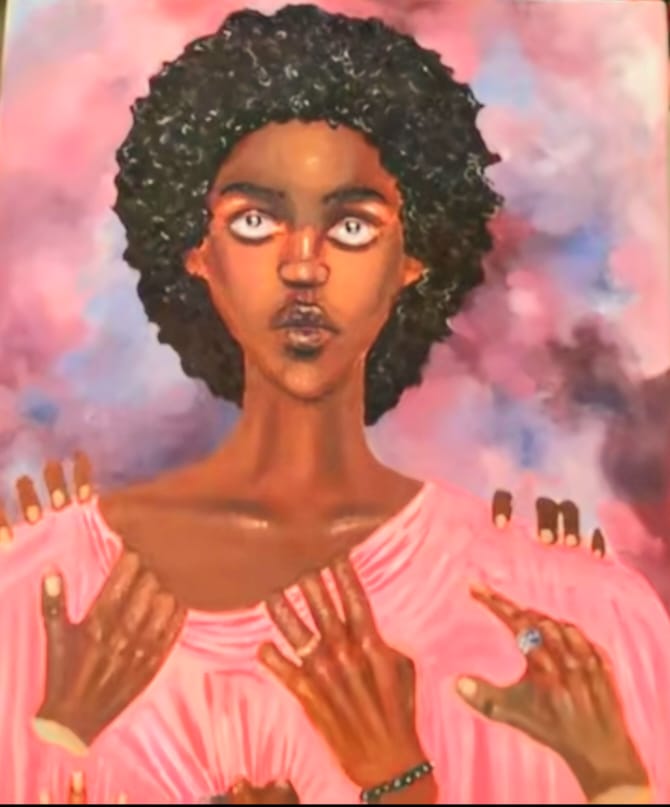
An artwork by Nimah Mutua on TikTok also sparked many comments, as she stated that her piece describes exactly how it feels walking around the CBD as a woman nowadays.
Real Voices: The TikTok Outcry and the Super Metro Queues
The silent street harassment is finally cracking on platforms like TikTok and X as Nairobi residents share terrifying, specific experiences that highlight how dangerous public transport and public spaces have become. In a viral post on TikTok, a creator named Kalonji criticized how it has become a “normal” act for women to be harassed in the CBD with no repercussions for the offenders. She described how unsafe it is, urging women not to remain silent.
“What do you mean wamenormalise catcalling women in CBD. Mpaka mnagrab women’s breasts!!. This is so sick. Mpaka physical assault, mara mnataka kutushika mapaja by force. I swear this is not a safe place. Let’s spread awareness and not be afraid to fight for yourself. You are seen,” Kalonji stated.
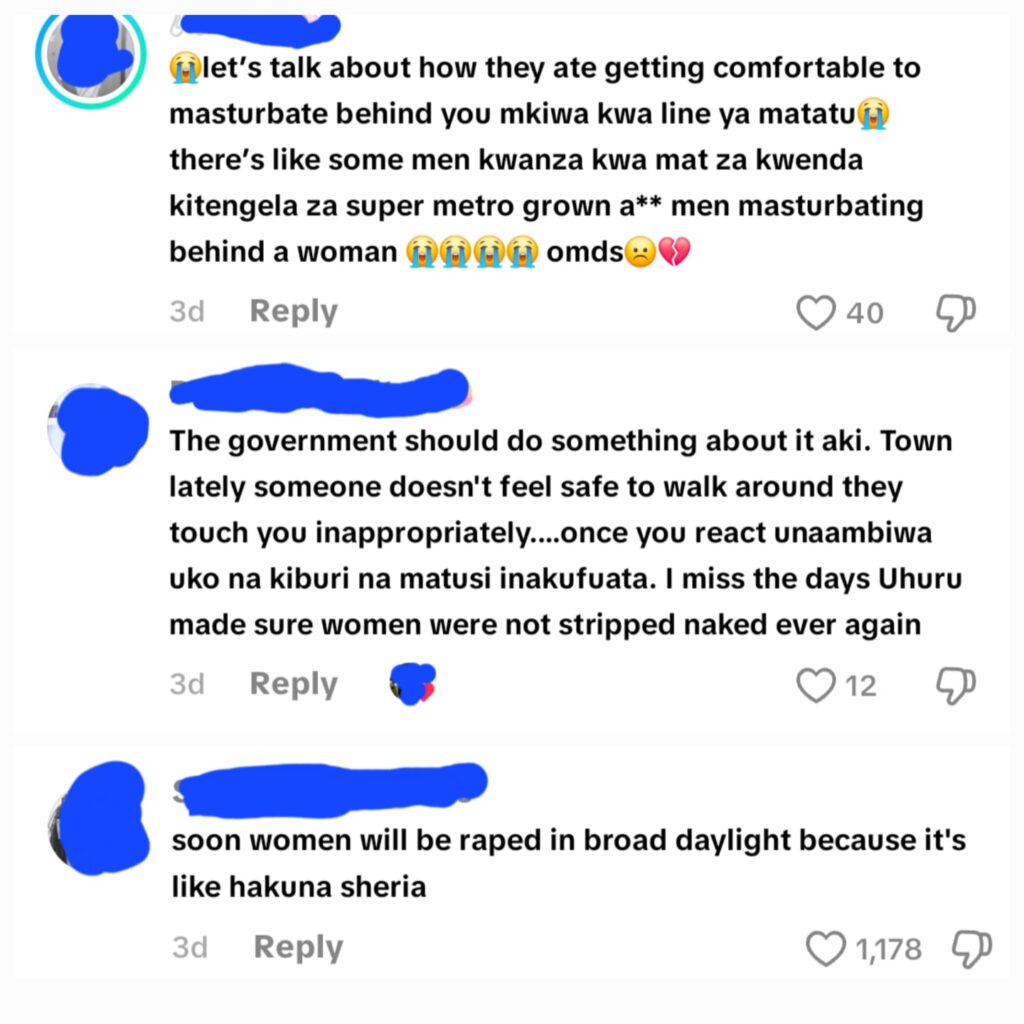
Another shocking comment online revealed the disgusting nature of how a man was openly masturbating behind a woman in the long, packed Super Metro queues for Kitengela. The responses to this post confirm that the fear is widespread, as normal male commuters are equally disgusted and alarmed by the breakdown of safety and sanity in Nairobi.
The “My Dress, My Choice” Movement
This current crisis stands in the shadow of a major historical struggle. “My Dress, My Choice” was a movement that took over the streets of Nairobi in 2014, a campaign in which former President Uhuru Kenyatta became a major force who fought for the cause. The movement started after a viral video surfaced showing a lady in a miniskirt being violently assaulted and stripped completely naked by a mob of men, including matatu touts, who claimed she had dressed “indecently.”
The campaign took effect immediately. Legal actions were taken against anyone who was found sexually or physically harassing a person due to their dressing style. However, deep and troubling conversations are currently happening again online, as both men and women reveal feeling unsafe while walking in the streets of the Nairobi CBD.
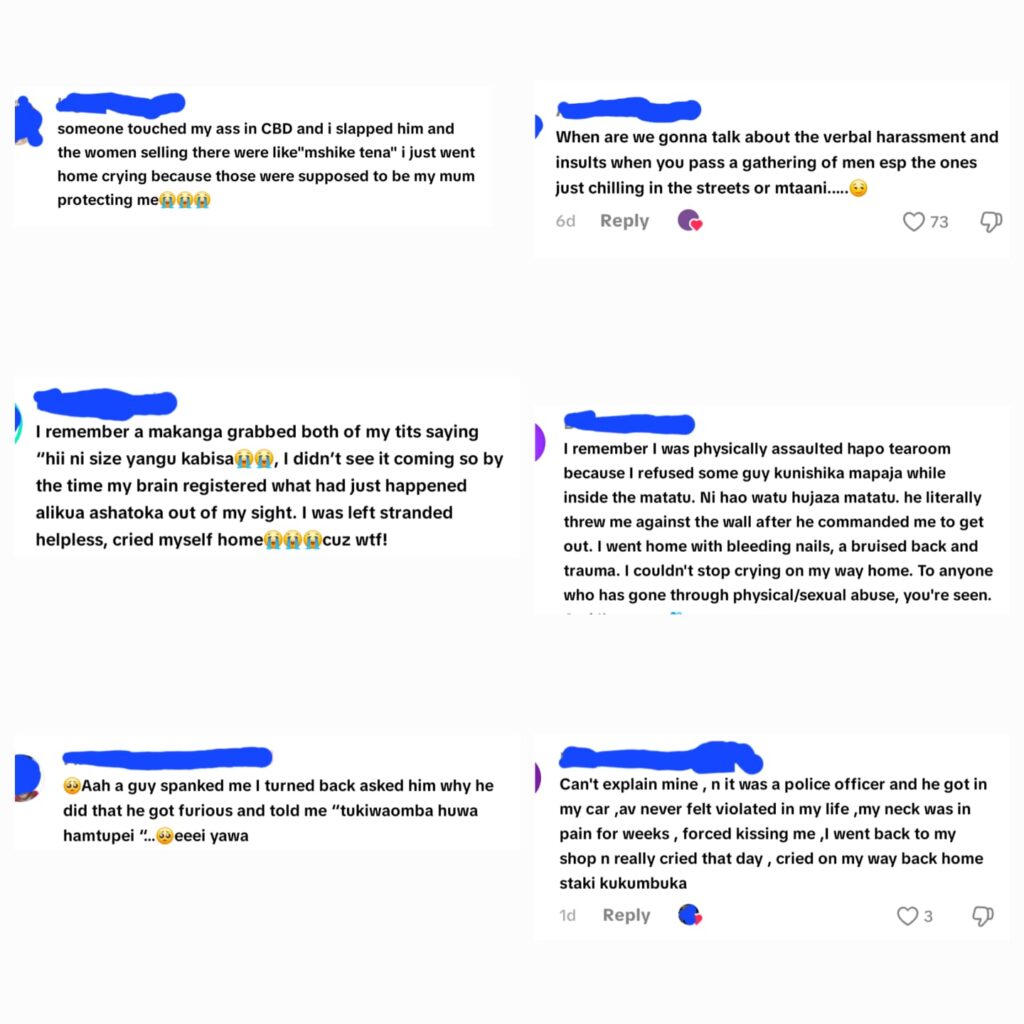
public transit harassment and trauma shared by commuters in Nairobi. photo | file
The Core Forms of Public Harassment
The modern reality of public harassment inside the CBD takes many different forms. The specific types of harassment faced by both men and women include:
- Queue and Crowd Violations: Predators use long queues on public transport to touch, rub against, or expose themselves behind unsuspecting commuters.
- Friction Harassment: Abusers use crowded places to intentionally touch the private parts of their victims.
- Aggressive Market Groping: Workers and traders in congested markets like Muthurwa, Kamukunji, and Gikomba pull pedestrians into their stalls while grabbing them uncomfortably, disguising the act as attracting customers.
- Sextortion: Rogue, corrupt city officials (kanjo) or private security guards demand sexual favors or forced, humiliating physical acts instead of cash bribes for minor town offences.
- Harassment Disguised as “Content Creation”: Another alarming form of sexual harassment happening around CBD paths is commonly hidden behind content creation. Creators say indecent and dirty words or even go as far as touching a person inappropriately without permission just to get them to react. After being confronted, they laugh it off, pointing toward the cameras and calling it a “prank.” Because of this, victims now walk in fear of being harassed in the name of entertainment, unable to report the matter to anyone.
The Breakdown of Clothing Myths and Community Shaming
For women, it has become almost impossible to speak up, especially when fellow elderly women who are supposed to act as mothers join in insulting them publicly when they try to defend themselves, claiming that they dressed indecently and that it is their fault for being harassed.
However, no one has the right to harass a person just because of the clothes they wear. This argument has now become a puzzle, as women wearing long skirts, heavy coats, or official work clothes face the exact same harassment on the streets. This proves that the problem is not the clothes or how one presents themselves, but the absolute lack of respect and the ongoing shaming and criticism that comes from the community, forcing many victims to suffer in silence.
The Harassment of Men
Harassment does not only happen to women. There is also a quiet crisis affecting men in Nairobi. Sexual harassment against men remains a big secret because of rigid cultural ideas about what it means to be a man. Many people in society believe that men always want sex and that they should be happy whenever a woman touches them.
When a man expresses his discomfort or disgust after being touched inappropriately by a woman, his friends and other onlookers laugh at him, calling him a weak man and an embarrassment to manhood. This mockery forces many male victims to swallow their pain and choose to remain silent.
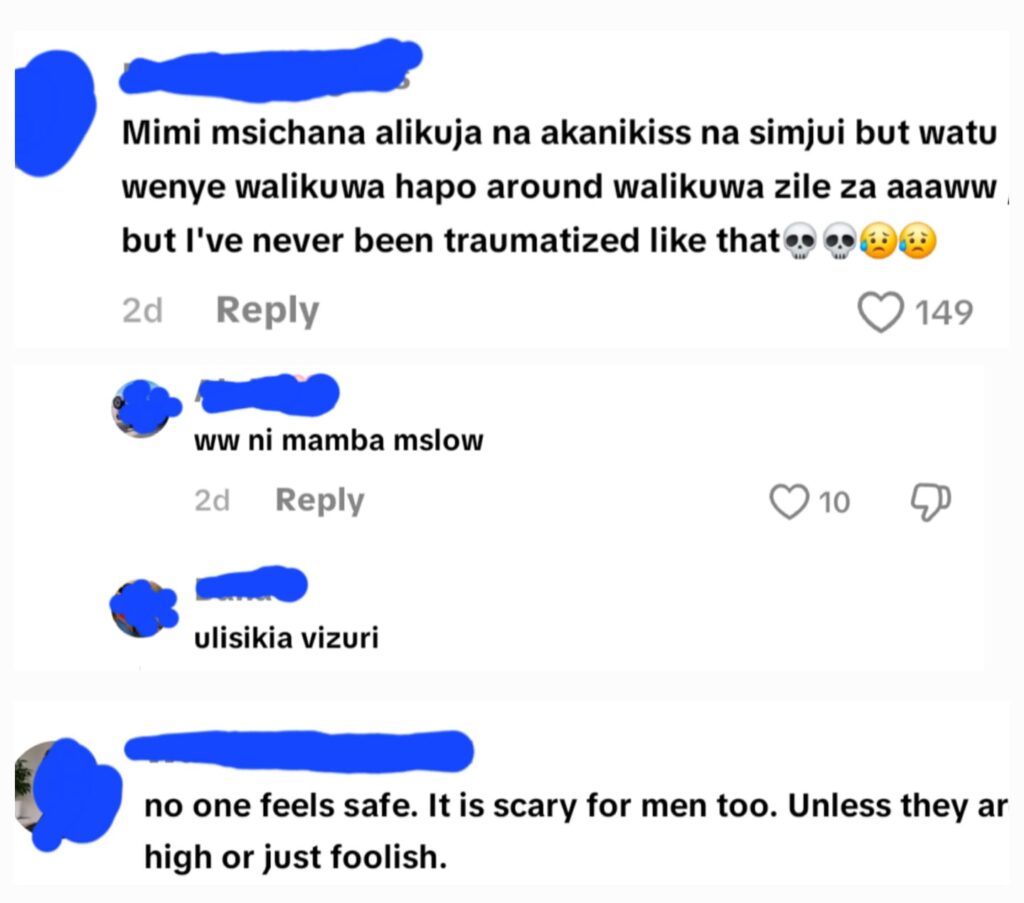
What the 2026 Data Shows
According to statistics from the 2026 GeoPoll Africa Gender Survey and local human rights monitors, public sexual harassment is an ongoing crisis, especially in the urban sector. Reports recorded regarding gender-based violence (GBV) show that 47% of urban commuters experience sexual violations, with Nairobi ranking as the top county.
The real-time metrics for women are the most alarming. Reports from the Federation of Women Lawyers (FIDA-Kenya) indicate that an average of 65% of women aged 13–35 have experienced abuse directly linked to physical and sexual violence in public spaces. Conflicting with this data, metrics monitored through the Healthcare Assistance Kenya (HAK 1195) hotline indicate that men aged 13–45 account for fewer than 10% of officially logged harassment reports. This low percentage is due to the intense social stigma male victims face, which leaves them trapped in silent trauma.
Kenya’s Sexual Offences Act
These actions are not just socially unacceptable; they are serious criminal offenses. The Sexual Offences Act of Kenya (2006) remains very clear about these disgusting behaviors. The law carries a prison sentence of at least three to five years for any sexual or indecent act committed against a person without their consent.
Breaking the Silence
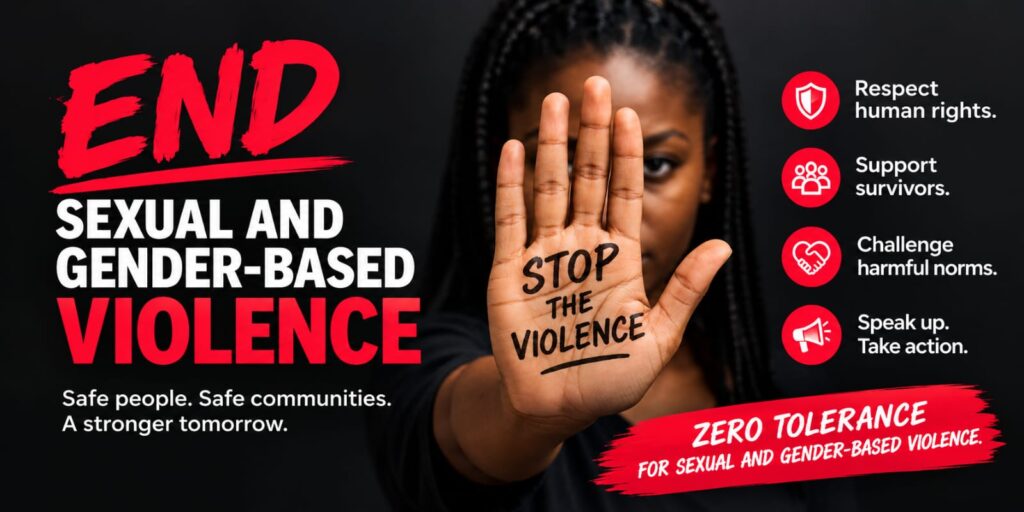
To protect each other’s dignity, we need to stand united and stop these predators from freely engaging in these disgusting acts while laughing at and shaming their victims. As a community, we must implement clear steps to change our public spaces:
- Stop blaming the victims.
- Speak up as bystanders and actively help those being harassed.
- Stop liking, watching, and sharing bad online content that shows a person being harassed under the guise of “pranks.”
- Support male victims and actively create a safe space for them to speak out.
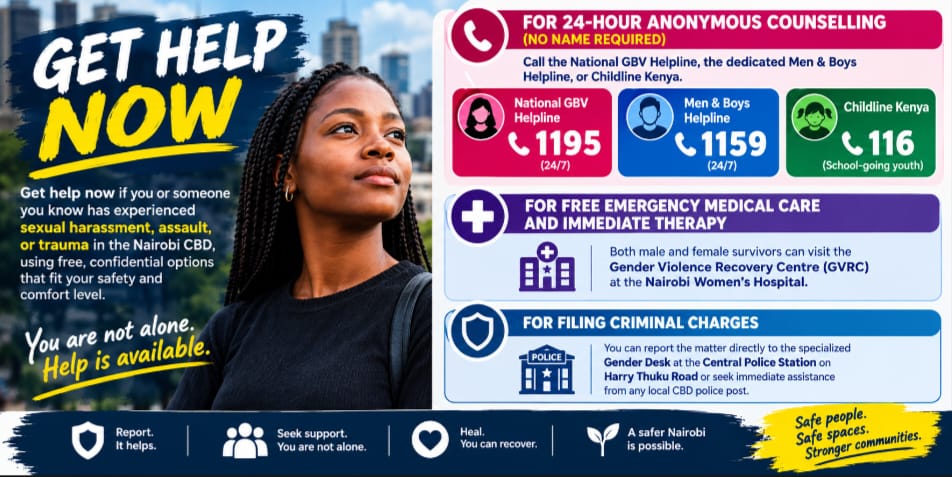
Get Help Now
Get help now if you or someone you know has experienced sexual harassment, assault, or trauma in the Nairobi CBD, using free, confidential options that fit your safety and comfort level.
- For 24-Hour Anonymous Counselling (No Name Required): Call the National GBV Helpline at 1195, the dedicated Men & Boys Helpline at 1159, or Childline Kenya at 116school-going youth.
- For Free Emergency Medical Care and Immediate Therapy: Both male and female survivors can visit the Gender Violence Recovery Centre (GVRC) at the Nairobi Women’s Hospital.
- For Filing Criminal Charges: You can report the matter directly to the specialized Gender Desk at the Central Police Station on Harry Thuku Road or seek immediate assistance from any local CBD police post.