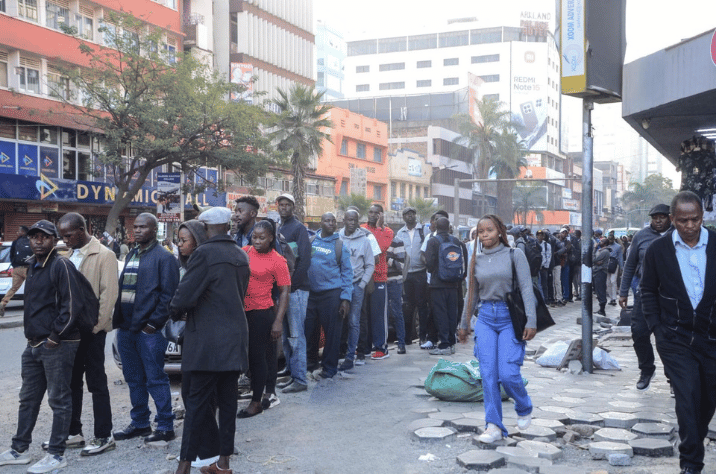


Data expose a rising sexual harassment crisis in Nairobi’s CBD across public transit and matatus. Commuters face daily physical and verbal boundary violations across Nairobi town, according to real-time 2026 data and recent viral social media testimonies.
Parallel transport surveys reveal 47 per cent of all urban commuters encounter or witness non-consensual physical contact inside packed city matatus, committed by matatu touts or fellow commuters.
Public transit pipelines have become highly hostile for youth, with 44.4 per cent of school-going girls reporting daily physical or sexual harassment at bus stages.
A viral TikTok video by creator Kalonji exposed the normalization of aggressive catcalling and physical assault on roads like Moi Avenue.
“What do you mean wamenormalise catcalling women in CBD. Mpaka mnagrab women’s breasts!!. This is so sick. Mpaka physical assault, mara mnataka kutushika mapaja by force. I swear this is not a safe place. Let’s spread awareness and not be afraid to fight for yourself. You are seen,” Kalonji stated.
Another shocking online report exposed a man openly masturbating behind a woman in a packed Super Metro Kitengela line.

A similar crisis affects men in marketplaces like Gikomba, where aggressive traders use physical touching and groping, disguising it as attracting customers.
Rigid cultural ideas about masculinity create immense social stigma, ensuring male victims make up fewer than 10 per cent of helpline reports.
Rogue city officials (kanjo) and private guards also engage in sextortion, demanding sexual favours instead of cash bribes for minor offences around Nairobi town.
Further data highlights that 11.1 per cent of public violations are digital harassment caused by street content creators filming non-consensual “pranks.”
The Sexual Offences Act (2006) carries a jail term of up to five years for these crimes, but widespread bystanders refusing to take action protect these perpetrators.
Addressing the Sexual Harassment Crisis in Nairobi’s CBD
Human rights organizations and transport safety advocates point out that the lack of prosecution around the sexual harassment crisis in Nairobi’s CBD stems from systemic law enforcement gaps in handling public transit crimes. When victims attempt to report incidents at central police posts or stage offices, they are frequently met with secondary victimization, dismissal, or pressure to settle matters informally. This persistent failure to hold perpetrators accountable has created a culture of impunity, allowing aggressive touts, rogue commuters, and street syndicates to operate without fear of legal consequences.
The economic toll of this sexual harassment crisis in Nairobi’s CBD is equally devastating for the capital’s working population. Many female commuters report altering their daily travel routes, avoiding early morning or late evening shifts, or paying significantly higher fares for private ride-hailing services simply to ensure their safety. For low-income workers and students, these forced choices restrict economic opportunity and limit access to education, reinforcing gender disparities across the capital’s urban economy.
In response to the mounting outcry surrounding the sexual harassment crisis in Nairobi’s CBD, civil society groups and transport SACCO leaders are facing urgent calls to enforce strict accountability mechanisms. Proposals include mandatory gender sensitivity training for all matatu crew members, continuous CCTV installation at high-density bus terminals like Kencom and Ambassadeur, and clear operational codes of conduct that empower conductors to intervene when passengers face distress. Without clear enforcement, however, industry pledges risk remaining superficial promises.
Addressing the widespread sexual harassment crisis in Nairobi’s CBD requires a coordinated effort between the Nairobi County Government, law enforcement agencies, and the National Transport and Safety Authority (NTSA). Establishing rapid-response help desks at major city transit hubs, creating dedicated reporting hotlines, and holding SACCO management directly liable for harassment occurring within their fleets are critical steps needed to restore safety, dignity, and public trust on Nairobi’s streets.