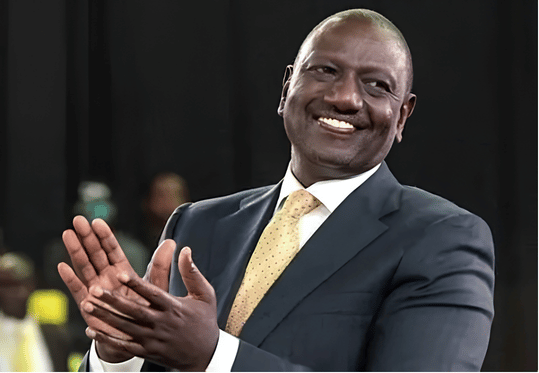
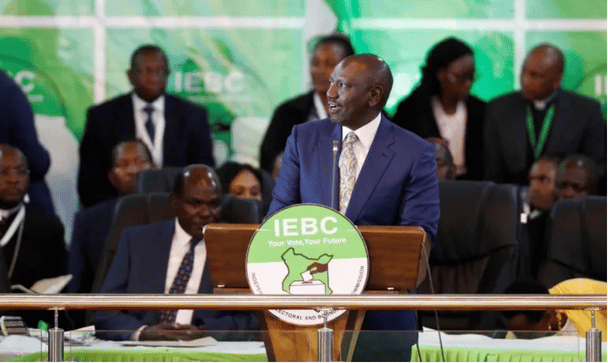

Kenya’s political history, from Daniel Moi to William Ruto, raises several questions ahead of the 2027 election. Can the opposition unite behind one presidential candidate, or will divisions among its leaders shape the race?
Daniel Moi won re-election in 1992 and 1997, Mwai Kibaki retained the presidency in the disputed 2007 election and Uhuru Kenyatta won in 2017 after the Supreme Court annulled the first presidential election.
William Ruto, who won in 2022, is now approaching his first re-election contest. His bid for a second term will put Kenya’s long-standing presidential re-election pattern to another major test in 2027 election.
The historical record, however, does not guarantee another victory for an incumbent. Kenya’s presidential elections have produced different outcomes depending on opposition unity, political alliances, electoral conditions, and voter participation.
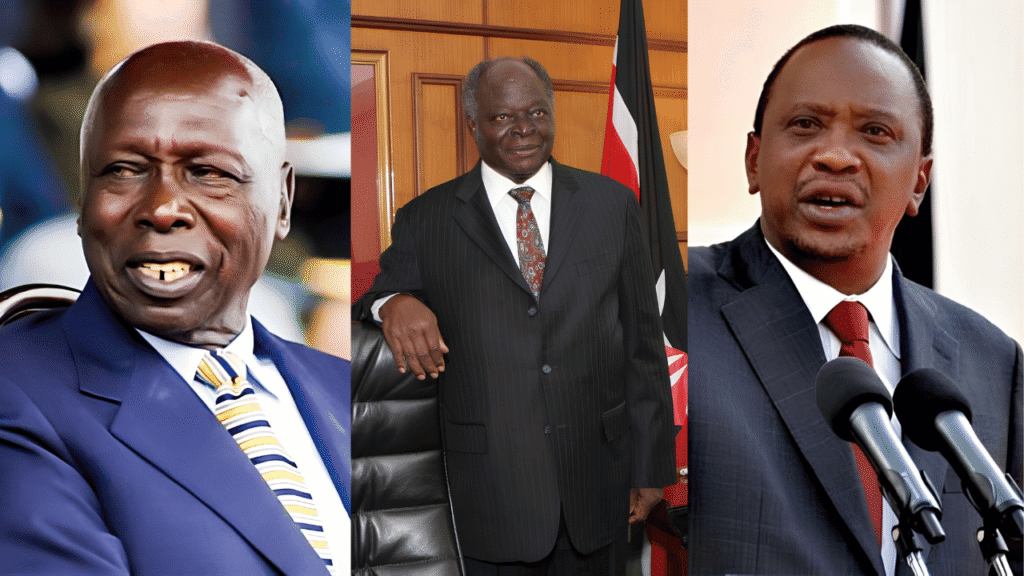
In 2002, Moi’s preferred successor, Uhuru Kenyatta, lost to Kibaki after opposition leaders united under the National Rainbow Coalition (NARC).
In 2007, Kibaki was declared the winner against Raila Odinga in a closely contested election whose results were disputed. The post-election violence that followed left the country in crisis, and a power-sharing agreement eventually brought the two rivals into a coalition government. Kibaki nevertheless remained president for his second term.
Uhuru Kenyatta’s 2017 re-election also came under extraordinary circumstances. The Supreme Court annulled the August presidential election and ordered a fresh poll, which Uhuru won after Raila withdrew from the repeat election.
1992, 1997 Opposition Division Pattern Returns Ahead of 2027 Election
The opposition’s ability to agree on one presidential candidate is emerging as a central question ahead of the 2027 election.
Rigathi Gachagua, Kalonzo Musyoka, Edwin Sifuna, David Maraga and George Natembeya are among the figures associated with opposition politics.
Gachagua’s impeachment in October 2024 removed him from the deputy presidency, but impeachment alone should not be treated as proof that he is legally barred from contesting the presidency.
Meanwhile, Kalonzo’s leadership of the Ukombozi Alliance, formerly Azimio, raises questions about whether the different political camps can agree on a single candidate and a shared campaign structure.
Sifuna’s position within the opposition has added another dimension to the debate. His political mobilisation and association with the Linda Mwananchi movement have placed him among the voices seeking a larger role in national politics.
However, disagreements involving Sifuna, other opposition leaders and competing political formations could complicate the selection of a joint presidential candidate.
The death of Raila Odinga in October 2025 also changed the opposition’s political landscape. Raila had been a central figure in opposition mobilisation for decades, bringing together political parties and leaders across different regions.
His absence leaves questions about coalition leadership, political coordination and whether another figure can assemble a comparable national alliance as the country heads to the 2027 election.