
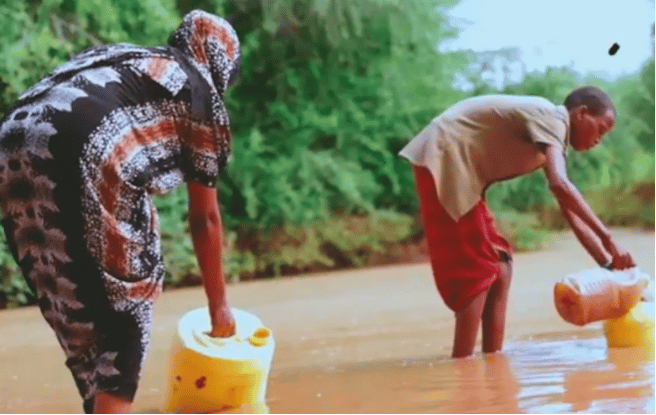

In Garissa, a changing climate is not a distant warning. It can be seen in the search for water, the pressure on pastoral livelihoods and the risks faced by children when food, income and protection are under strain. This feature follows that chain of pressure while keeping children’s rights, dignity and safety at its centre
Reporting note: This is child-centred reporting. No child is named. The feature does not identify any child or make unverified claims about any family. Concerns about child marriage require careful, confidential reporting and verification through survivors, child-protection specialists, service providers and official records before publication.
1 | THE LAND IS UNDER PRESSURE
When the ground grows dry
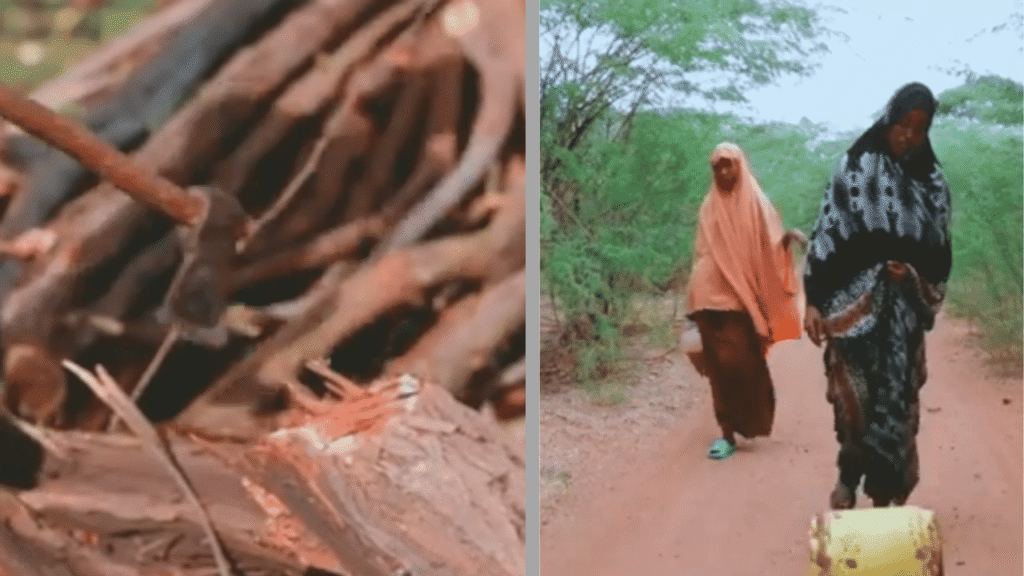
Garissa is an arid county where rain, pasture, and water shape daily life. When rains fail repeatedly, grass disappears, water points shrink, and families relying on livestock lose a vital source of food and income. Children feel that pressure first: less water can mean less time for learning, play and rest.
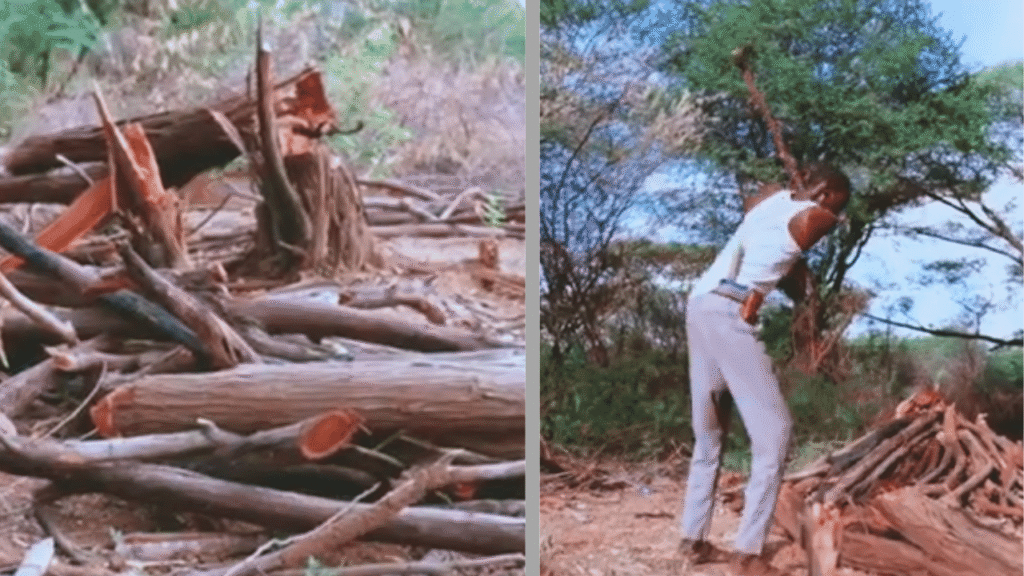
Cutting trees for fuel or income can reduce vegetation cover and deepen pressure on already fragile land. But no single activity alone explains a drought. This report treats the relationship between land use, heat, rainfall and drought as a subject for evidence-led investigation, not as a conclusion to assume.
2 | WATER BECOMES THE DAY’S BIGGEST TASK
A container can mean a long journey
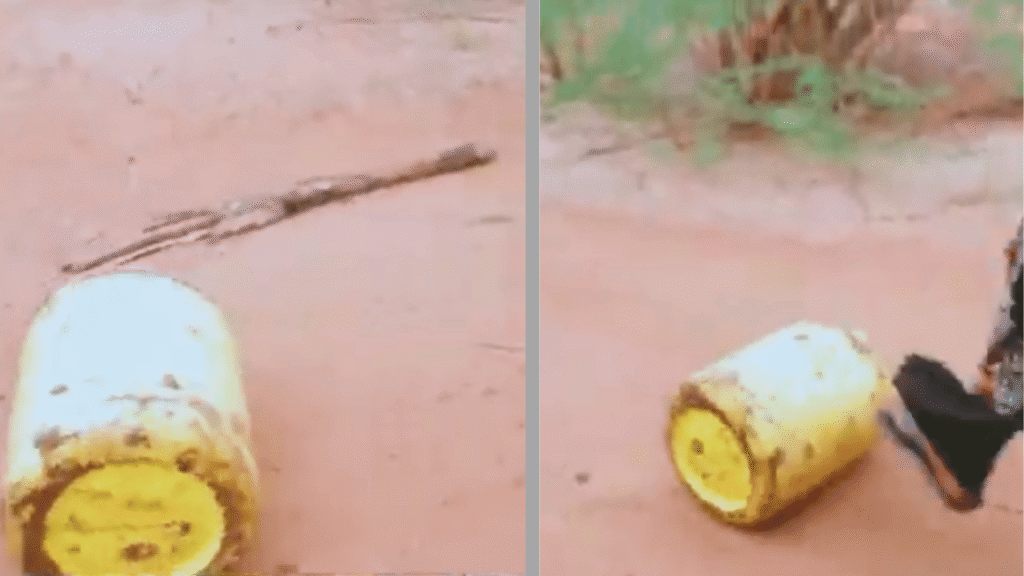
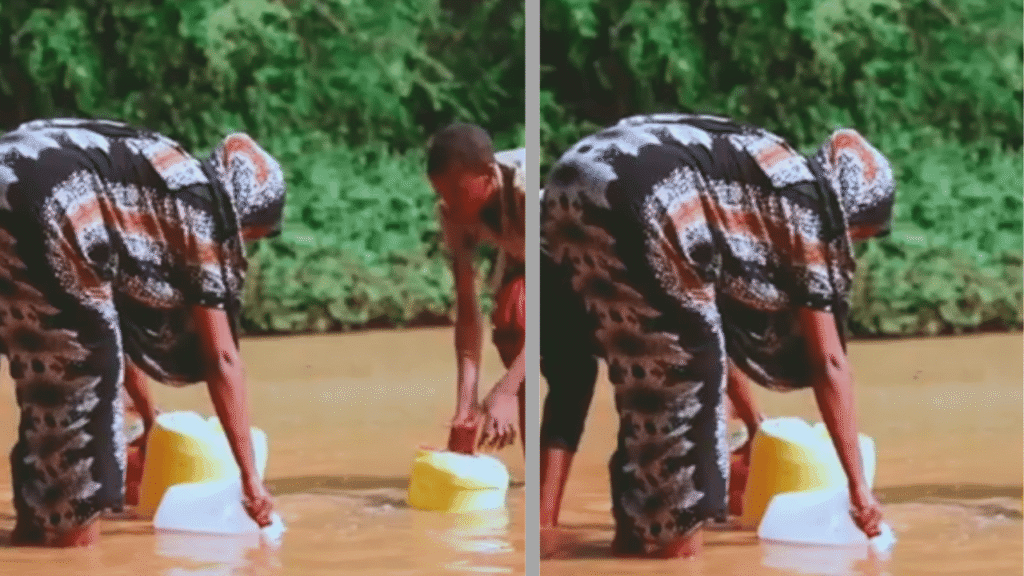
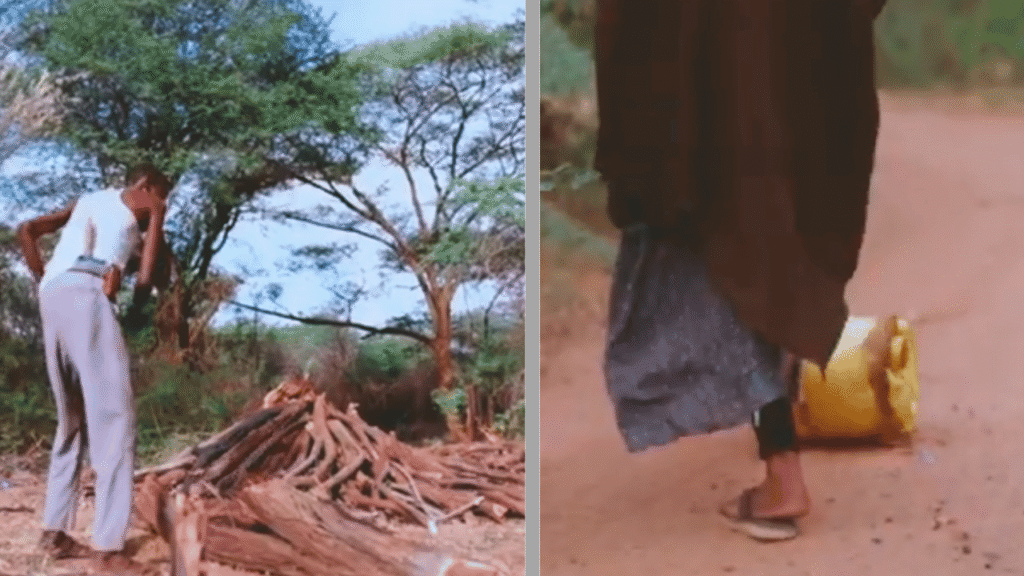
For a child, a jerrycan is not simply a household item. It can represent distance, heat and time away from schoolwork. UNICEF’s reporting in Garissa has documented how drought can push children to fetch water for their families, reducing the time available for school.
Safe water is also a health issue. When families have no reliable source, children may be exposed to water that can cause diarrhoea and other illness. Protecting children begins with water points that are close, affordable and safe throughout the year
Context: UNICEF’s Garissa drought reporting links water access to children’s schooling, health and nutrition
3 | HEAT CHANGES CHILDHOOD ROUTINES
Walking under a hard sun
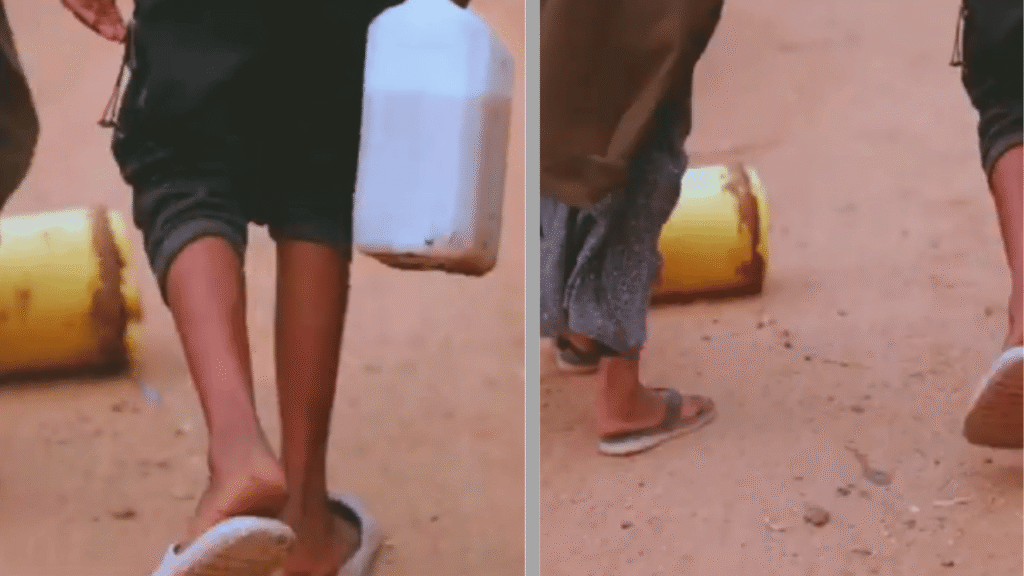
Climate change increases the intensity of heat and can make drought more severe. For children, this is experienced in small, repeated moments: a longer route to water, a hotter walk, a missed lesson or a day when there is too little food and too little shade.
Save the Children has warned that Kenyan children born today may face far more droughts over their lifetimes than earlier generations. Climate action must therefore be measured by a simple question: does it make daily life safer for children now, and more secure for the children who will follow?
Context: Save the Children reports that recurring drought threatens pastoral livelihoods in northern Kenya and children’s
nutrition.
4 | THE DANGER OF UNSAFE WATER
Water must be safe, not only available
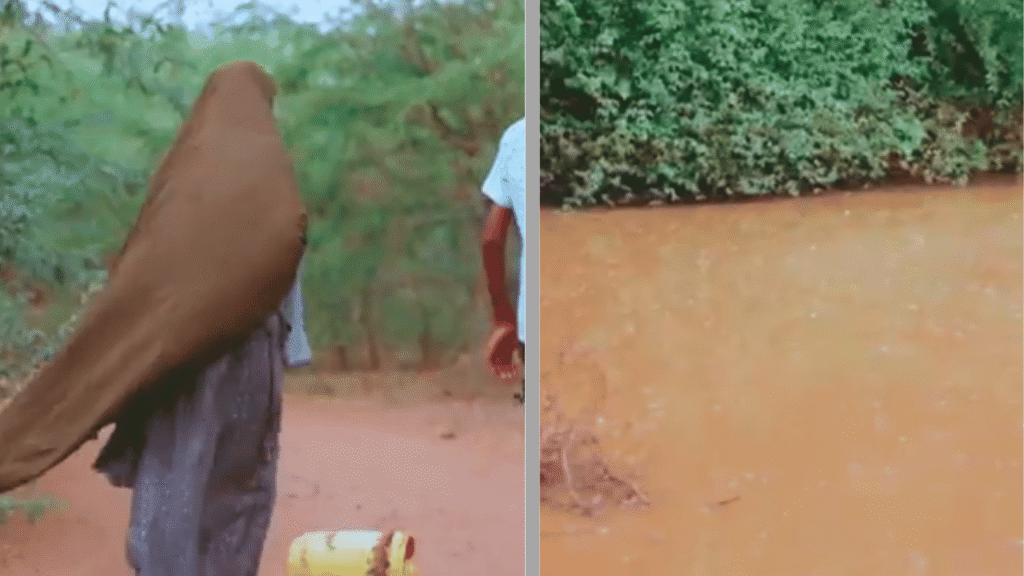
In a drought, the search for water does not end when a container is full. The next question is whether that water is safe to drink. UNICEF warns that unsafe water increases the risk of diarrhoea and other diseases, particularly for children under five.
That is why emergency water trucking and treatment supplies matter, but they cannot be the whole answer. Long-term safety depends on climate-resilient water systems, including protected sources, functioning boreholes, maintenance and water services that reach children before a crisis becomes an emergency.
Context: UNICEF has supported borehole rehabilitation and safe-water responses in Garissa.
5 | A DROUGHT CAN BECOME A NUTRITION CRISIS
When livestock losses reach the plate
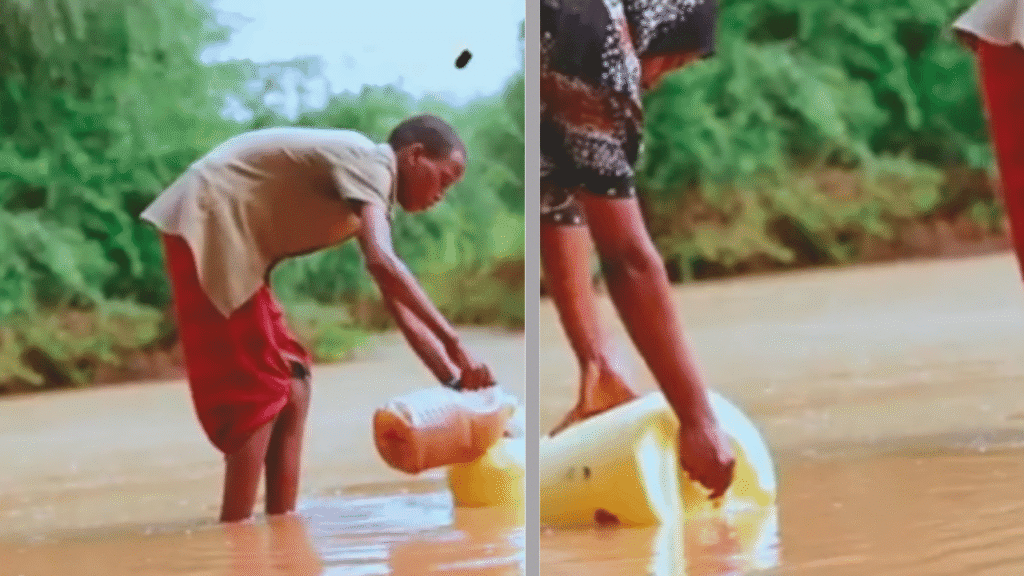
Pastoral livelihoods depend on healthy animals, pasture and water. When livestock die, families can lose milk, food and income at the same time. The result can be hunger, illness and acute malnutrition among children.
Save the Children’s reporting from Garissa describes how drought-related livestock losses have pushed families into severe hunger and malnutrition, while climate-smart farming, nutrition support and savings groups have helped some families rebuild. A response that protects children has to link health, food, water and household livelihoods.
Context: Save the Children describes drought, livestock losses, and recovery through climate-smart farming in Garissa.
6 | A FRAGILE LANDSCAPE, A SHARED RESPONSIBILITY
The value of trees and shade
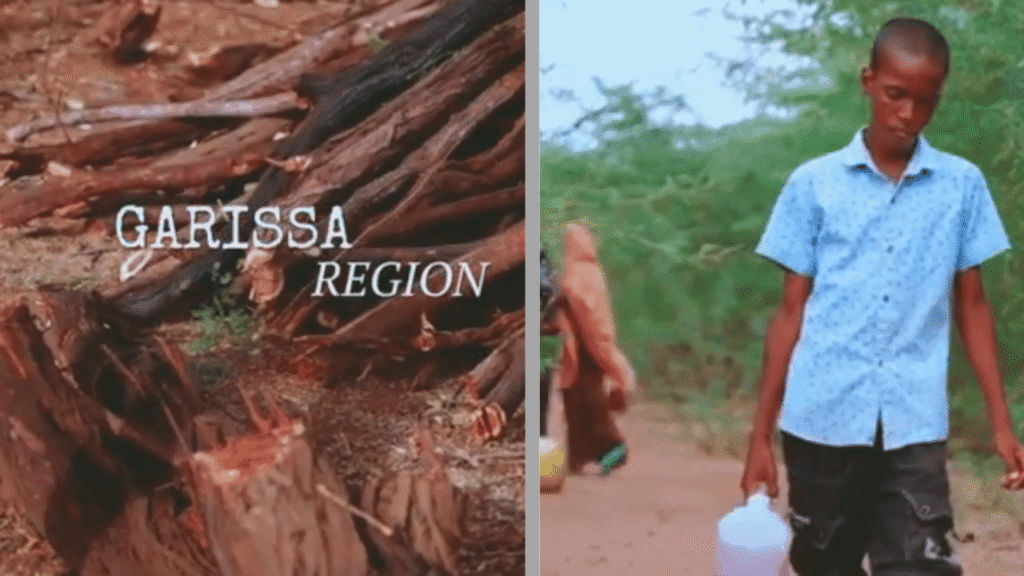
Across dryland areas, trees can provide shade, help protect soil and support local ecosystems. When vegetation is lost, the land may be left more exposed to wind, erosion and heat. Restoring tree cover, however, must go alongside practical energy choices so that families are not forced to depend on dwindling wood supplies.
Children should be included in environmental learning, tree-growing initiatives and local climate conversations, but they should never be expected to carry the burden of solving a crisis they did not create. Their role is to be heard; the duty to deliver protection and services rests with institutions and decision-makers.
Context: Al Jazeera’s climate reporting argues for local, solutions-focused climate journalism that connects environmental change to everyday life
7 | SCHOOL CANNOT WAIT FOR RAIN
The right to learn in a changing climate
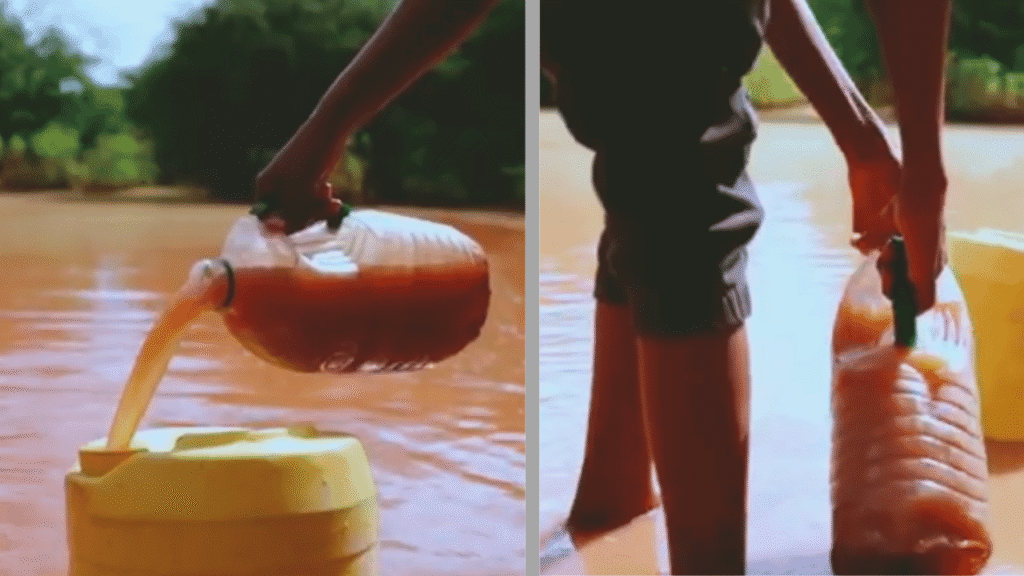
When children must spend hours fetching water, caring for animals or coping with hunger, education is placed at risk. UNICEF notes that drought can interrupt attendance when school-going children are drawn into the household search for water.
Schools can also be part of the response: reliable water, sanitation, shade, school meals, climate education and child-protection referral pathways can help keep children learning. In a climate emergency, a school is not only a classroom; it can be a place of safety, stability and support.
Context: UNICEF has described schools as protective spaces for children in drought-affected Garissa
8 | PROTECTION MUST BE PART OF THE CLIMATE RESPONSE
Economic pressure must never take away a childhood
Climate shocks can increase financial stress in families already facing poverty, food insecurity and unequal access to water. During reporting, concerns may emerge that such pressure leaves some girls more vulnerable to child marriage. This is a serious child-protection issue and must be reported with extreme care.
No feature should present a harmful practice as an inevitable result of drought, or accuse any individual without evidence. The reporting task is to document verified patterns, explain the systems that leave children exposed and ask whether protection services, schooling, social support and accountability are reaching those who need them.
Reporting standard: Any further reporting on child marriage should follow informed consent, safeguarding, anonymity, and
trauma-informed interviewing practice.
9 | SOLUTIONS SHOULD REACH CHILDREN FIRST
From emergency relief to resilience
Garissa does not only need a response when drought is already severe. It needs systems that work before the next failed rain: reliable water infrastructure, nutrition screening, health care, social protection, climate-resilient livelihoods and schools equipped to support children.
UNICEF’s Kenyan climate-risk model places Garissa in the very-high-risk category for children and climate shocks. Save the Children’s work in Garissa points to practical approaches such as nutrition treatment, climate-smart farming and support for household resilience. These are not separate projects; together they are part of a child-centred climate response.
Context: UNICEF and Save the Children identify water, nutrition, livelihoods and child protection as linked parts of climate
resilience
10 | WHAT CHILDREN NEED NOW
A future that is safer, greener, and fairer
For children in Garissa, climate change affects water, food, health, education, and safety. A strong response must listen to children while delivering concrete improvements: safe water close to home, resilient livelihoods, nutrition and health services, protected learning, restored landscapes and effective child-protection systems.
There is also a message for government, climate funders and development partners: measure success by whether children spend less time searching for water, remain in school, eat nutritious food, stay healthy and grow up free from harm. That is what climate justice should look like in everyday life.
Editor’s note: This photo feature is intended for children, families, government institutions, climate funders, and all readers concerned with the rights and well-being of children in Garissa. It calls for solutions-focused action without exposing or identifying children.
Reporting sources and further reading
The photographs are credited to hubafrika.co.ke.
Safeguarding reminder: Before publishing any version containing interviews or identifiable images of children, obtain informed consent, assess risk, remove identifying details where necessary, and do not publish material that could expose a child to stigma, retaliation or harm.

