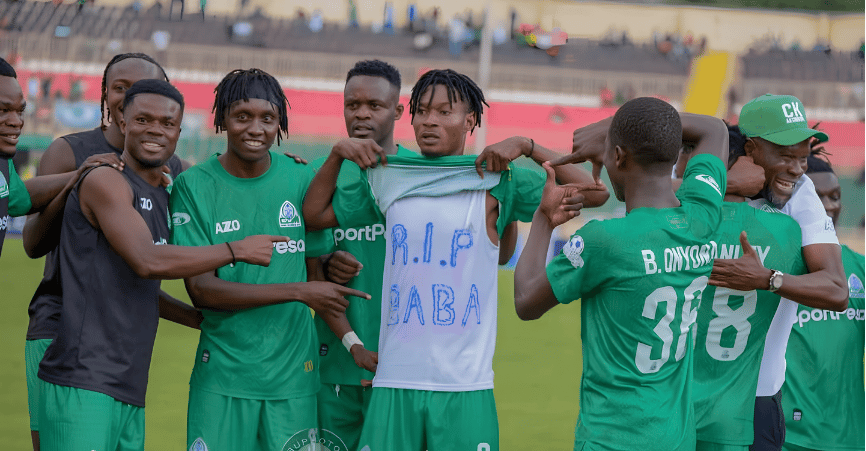
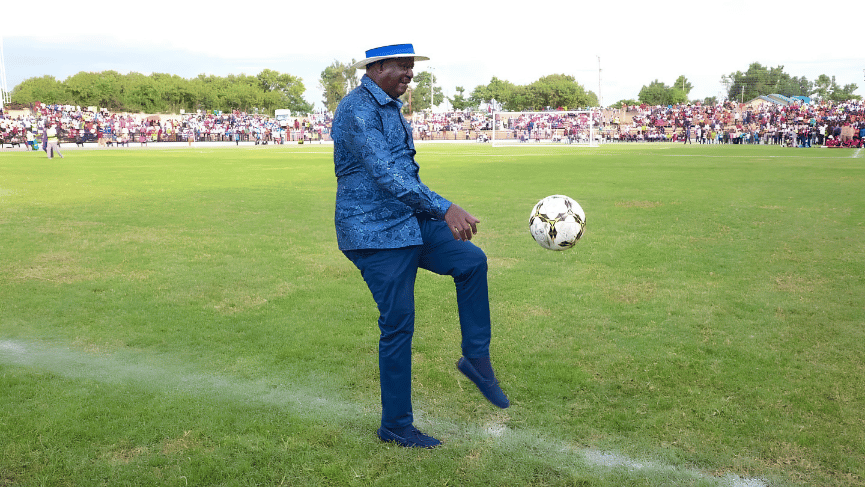

As the nation marks the first anniversary of the passing of Raila Odinga, Gor Mahia Football Club honors a legendary leader who, for 57 years, remained deeply linked to the life, passion, and patronship of the former Prime Minister.
Long before he became an iconic figure in East African politics, Raila’s devotion to the club began on the pitch, evolved into decades of leadership, and permanently transformed the landscape of Kenyan sports.
Odinga was more than just a Gor Mahia fan. From his days as a young player in the 1960s to 21 years as club patron, he became a cultural symbol that united millions of Kenyans.
Odinga’s relationship with K’Ogalo began long before Gor Mahia officially took its name in February 1968. In the mid-1960s, he played as a midfielder for Luo Union FC, one of the key clubs that later merged to form Gor Mahia.
Veteran football historian and former club administrator Ambrose Rachier recalled how Raila’s early playing days built a foundation of genuine love for the team.
“Many people knew Jakom as a politician, but he was a footballer first. He understood the dirt, the boots, and the sweat of the pitch. That is why, when Gor Mahia was formed, his bond with the club was already sealed in blood and sweat.” Rachier noted during a commemorative interview.
Throughout the years of the 1970s and 1980s, Raila remained an active supporter, attending home and away fixtures even amidst the height of his political struggles and detentions.
How Raila Odinga Kept Gor Mahia Alive: Millions in Crisis Support
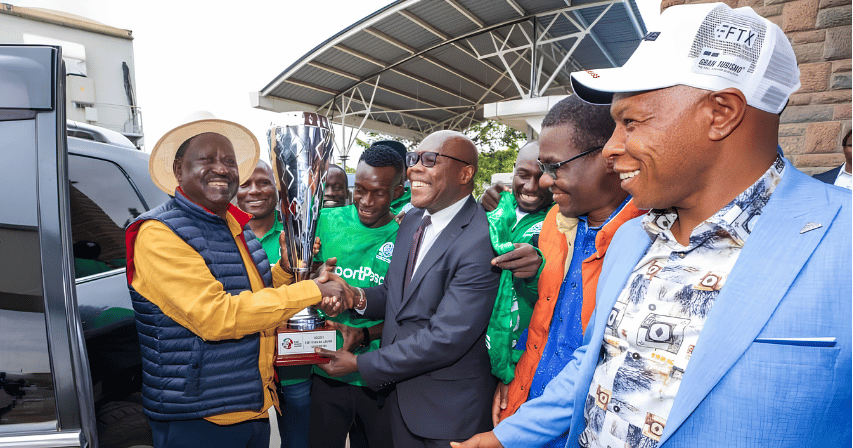
When the club faced severe financial difficulties in the early 2000s, Raila officially stepped into the role of Official Patron, a position he held for over two decades until his passing.
His patronage was defined by hands-on intervention. During periods when player salaries were delayed or continental travel for CAF Confederation Cup fixtures was at risk, Raila consistently rallied corporate sponsors or personally financed team logistics.
“Raila’s financial support was not only consistent but also immeasurable. He was instrumental in procuring the first visible club sponsorship, Brookside Dairies through their Tuzo milk brand effective 2012 to 2014 and had a hand in the procurement of the two distinct partnerships that the club has signed with betting firm SportPesa,” Rachier noted.
Former Gor Mahia captain and defender Harun Shakava reflected on how Raila’s direct involvement kept player morale high during critical seasons.
“Whenever things were tough financially, Baba would come to our training ground or call the team captain, He didn’t just give speeches; he ensured our allowances were paid and brought motivation into the dressing room. Winning the league title felt complete only when we handed the trophy to him.” ” Shakava shared.
Whenever K’Ogalo clinched the Kenyan Premier League title, Raila was known to host grand celebratory luncheons for the squad, handing out personal bonuses and pushing for better welfare packages for local athletes.
Former Gor Mahia star and striker Meddie Kagere recalled the unmistakable electric atmosphere whenever Raila entered the stadium during the iconic Mashemeji Derby against rival side AFC Leopards.
“When Baba walked into Nyayo or Kasarani wearing the green jersey, the entire stadium erupted. He gave us confidence on the pitch. Even when we were trailing, seeing him in the VIP stands made us play with extra heart because we knew what the club meant to him.”Kagere said.
Beyond financial and emotional backing, Raila used his national platform to advocate for sports infrastructure, corporate sponsorship in the local league, and the professionalization of youth academies across Kenya.
As fans and former players continue to celebrate his legacy, his 57-year journey with Gor Mahia stands as an enduring testament to the power of sports in uniting communities.