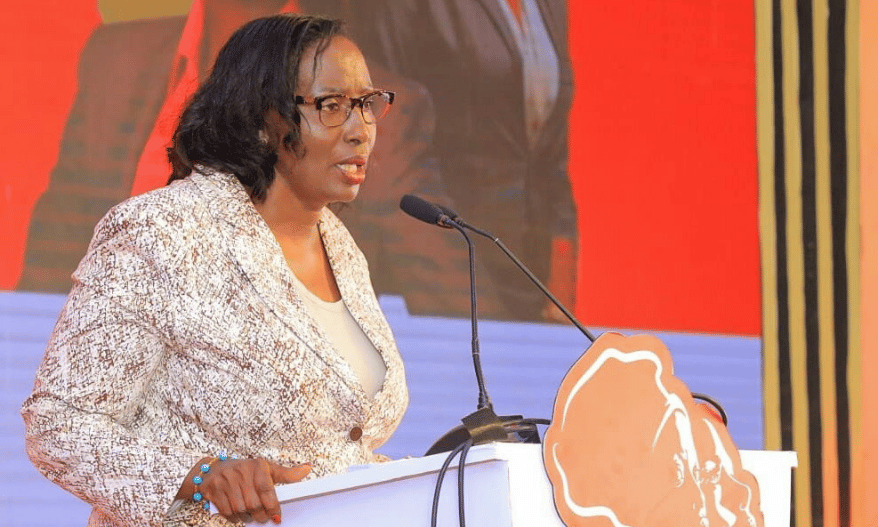

Speaking during a national television interview on Thursday, September 10, 2026, the lawmaker pointed to economic concerns behind the crackdown on foreign traders. Elachi warned that cheap labor practices are driving local Kenyan jobseekers out of the market.
Elachi highlighted overcrowding and unsustainable living conditions among foreign casual laborers, noting that up to ten individuals frequently share single residential units to split costs.
“Ten Burundian nationals live in a single room, meaning rent pressure does not affect them the way it impacts ordinary Kenyans who have families and rural dependencies to support,” Elachi stated.
The MP explained that local job seekers are struggling to compete because Kenyan workers coming from rural areas carry significant family responsibilities and require wages that cover basic living expenses.
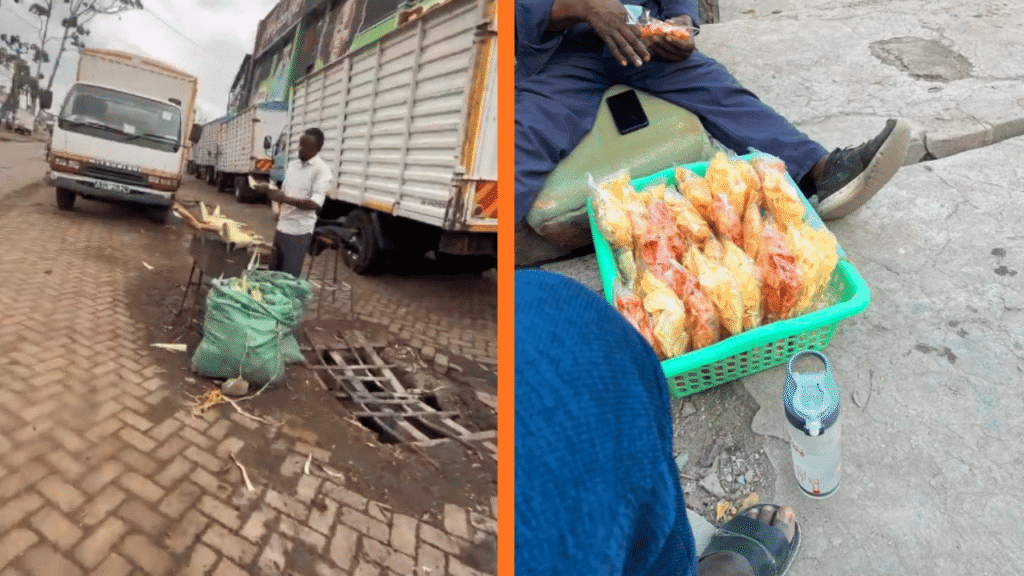
According to Elachi, Burundian nationals are accepting depressed daily wages often taking as little as KSh 400 per day compared to the KSh 700 or more required by Kenyan workers which she argues that this creates severe wage distortion in sectors like construction and informal retail.
She accused local employers and traders of rushing toward cheap labor at the expense of local citizens, pointing out that Chinese contractors and small-scale business owners in the Central Business District (CBD) actively exploit this undercut pricing.
“In the CBD, goods are being sold at rock-bottom prices that local Kenyan traders simply cannot match, creating unfair market competition that hurts local livelihoods,” she noted.
Elachi insisted that foreign nationals working in Kenya must operate on equal terms with local citizens, warning against practices that destabilize national minimum wage standards.
“If you cannot work like a Kenyan and be paid equal rates like a Kenyan, then you must return home. Would a Kenyan worker receive similar privileges if they migrated to Burundi?” Elachi questioned.
The lawmaker questioned why foreign labor friction has escalated specifically around Burundian nationals, pointing out that Kenya has peacefully accommodated Sudanese and Tanzanian immigrants for decades without similar wage distortions.
Elachi backed President William Ruto’s recent directives targeting foreign traders in informal sectors. She emphasized that the move aligns with efforts to protect economic opportunities for local micro and small enterprises.
The President recently ordered an enforcement crackdown requiring foreign nationals to formalize their immigration status, work permits, and business licenses or face closure of their operations.
Economic Impact of the Crackdown on Foreign Traders in Nairobi Markets
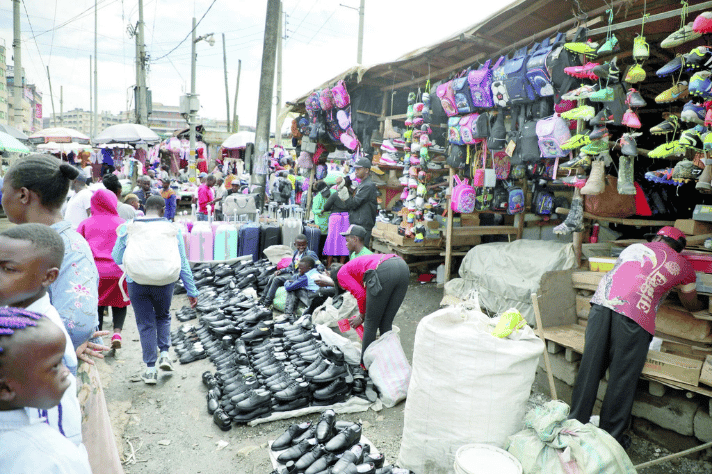
The enforcement measures surrounding the crackdown on foreign traders have sparked widespread anxiety across urban commercial hubs in Nairobi, particularly in areas of Gikomba, Muthurwa, and the Central Business District. Local hawkers and small-scale traders have long voiced frustrations over being pushed out of micro-retailing sectors by foreign operators who bypass traditional supply chains and overhead costs. For many informal sector workers, the ongoing crackdown on foreign traders represents a necessary shield against predatory market practices that threaten domestic livelihoods.
However, the rapid execution of the crackdown on foreign traders has created diplomatic and humanitarian friction. Following the security operation, hundreds of Burundian nationals gathered at their embassy along Denis Pritt Road in Nairobi seeking protection and clear travel documentation to return home. Rights groups and governance experts have noted that while host nations reserve the sovereign right to enforce immigration laws, any official crackdown on foreign traders must balance statutory labor audits with human dignity and avoid broad public hostility toward migrant communities.
Economic analysts further note that the crackdown on foreign traders highlights broader structural vulnerabilities within Kenya’s labor market. With youth unemployment remaining a central challenge, employers in labor-intensive industries like real estate construction and informal retail frequently seek loopholes to reduce payroll obligations. Analysts argue that long-term stabilization requires not only a targeted crackdown on foreign traders operating without documentation, but also aggressive enforcement against local employers who deliberately exploit low-wage migrant labor to bypass national minimum wage laws.
Government representatives have clarified that Kenya remains committed to the East African Community (EAC) Common Market Protocol, which guarantees the free movement of labor and goods across partner states. State officials maintain that legal foreign traders and documented workers carrying valid permits are fully protected under Kenyan law, asserting that the current crackdown on foreign traders strictly targets unlawful business practices and unregistered operations within designated protected retail sectors.